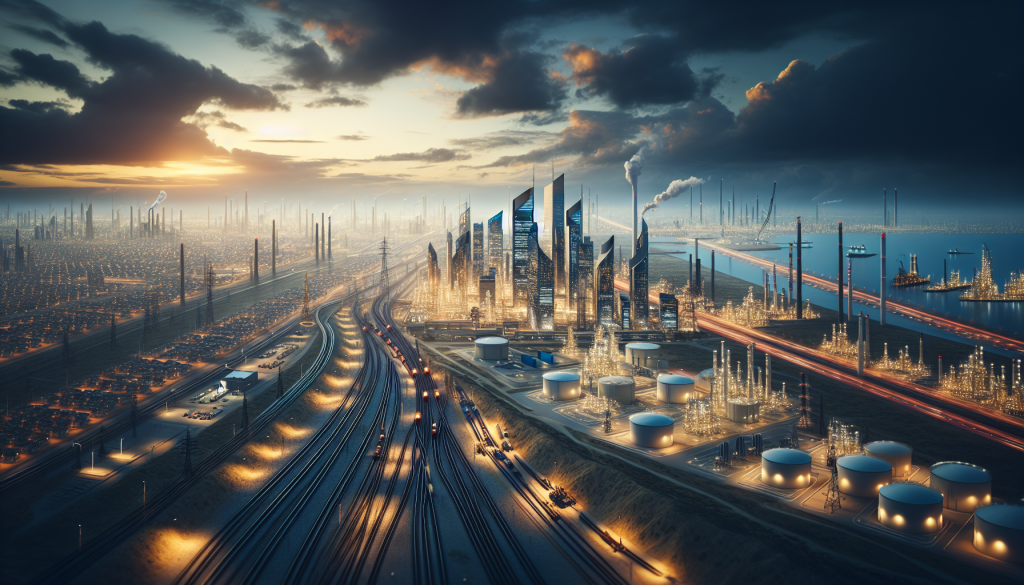
Gulf nations have recommitted to advancing five major strategic projects designed to enhance regional connectivity and energy collaboration. These initiatives, spanning from railway networks to energy infrastructure, aim to bolster economic integration and reduce vulnerabilities amid increasing geopolitical uncertainties. The revival of these projects signals a collective effort to maintain stability and foster mutual development in a region marked by complex political dynamics.
Notably, the railway project is expected to facilitate smoother trade and transportation across Gulf countries, while energy collaborations focus on securing sustainable and diversified power sources. This renewed cooperation comes at a time when external pressures and regional rivalries have heightened the need for unified economic strategies. By investing in these ventures, Gulf states seek to create resilient frameworks that can withstand geopolitical shocks and support long-term growth.
In a significant development, these projects also underscore the Gulf’s commitment to regional integration despite external challenges. The coordinated approach is likely to enhance diplomatic ties and economic interdependence, contributing to a more stable and prosperous Gulf Cooperation Council (GCC) region. As these initiatives progress, they could serve as a model for other regions facing similar geopolitical complexities.