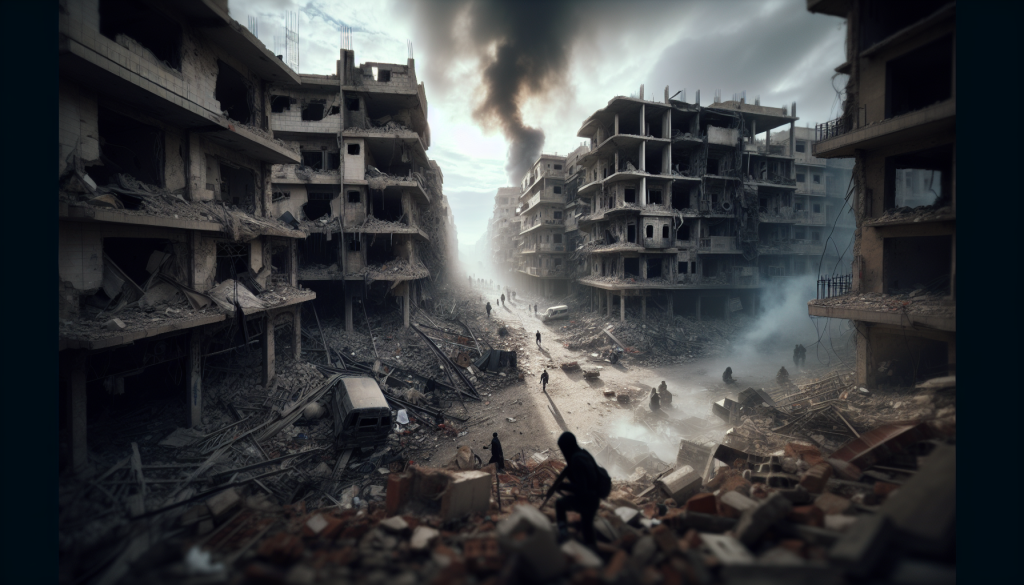

The recent 40-day conflict involving Iran has resulted in significant devastation across multiple regions. Various military strikes targeted key infrastructure and urban areas, leading to widespread damage. Civilians have found themselves caught in the crossfire, suffering from displacement, injuries, and loss of life. The scale of destruction underscores the intensity and prolonged nature of the hostilities.
Notably, the conflict has disrupted essential services and economic activities, exacerbating humanitarian challenges. The affected populations face shortages of food, medical supplies, and shelter, further complicating relief efforts. International observers have expressed concern over the escalating violence and its impact on regional stability. Meanwhile, diplomatic channels remain strained as parties involved seek to assert their positions.
In a significant development, the war’s aftermath has prompted calls for ceasefire negotiations and increased humanitarian aid. The conflict’s repercussions extend beyond immediate physical damage, influencing geopolitical dynamics in the Middle East. Understanding who has been hit and how the damage unfolded is crucial for shaping future peace initiatives. The human cost remains a poignant reminder of the urgent need for conflict resolution.