
Saudi Arabia’s energy ministry announced on Sunday that the critical east-west oil pipeline and other energy facilities have been fully restored after sustaining damage from Iranian attacks across the Gulf region. The ministry confirmed that operational capacity has been regained, significantly improving the reliability of energy supplies.
These attacks occurred before the commencement of a fragile two-week truce between Iran and the United States, which began on Tuesday. Iran had targeted vital energy infrastructure in its oil-rich neighboring countries, accusing Gulf states of permitting US forces to launch attacks from their territories during the ongoing conflict. This war was triggered by Israeli-US strikes on Iran on February 28. However, the Gulf states have strongly denied these Iranian allegations.
The Saudi energy ministry detailed that technical and operational efforts have restored the east-west pipeline’s full pumping capacity to around seven million barrels per day. Previously, the attacks had caused a loss of approximately 700,000 barrels per day in pumping capacity. The campaign also affected production at Saudi Arabia’s Manifa oil field, where output has now been resumed, and at the Khurais oil field, where restoration work is ongoing.
On Friday, Riyadh confirmed that the prolonged Iranian attacks had impacted oil production capacity and resulted in the death of one individual. Since the conflict began, three people have been killed in Saudi Arabia. An energy ministry official revealed that one of the pumping stations on the vital east-west pipeline was among the targets hit during the attacks.
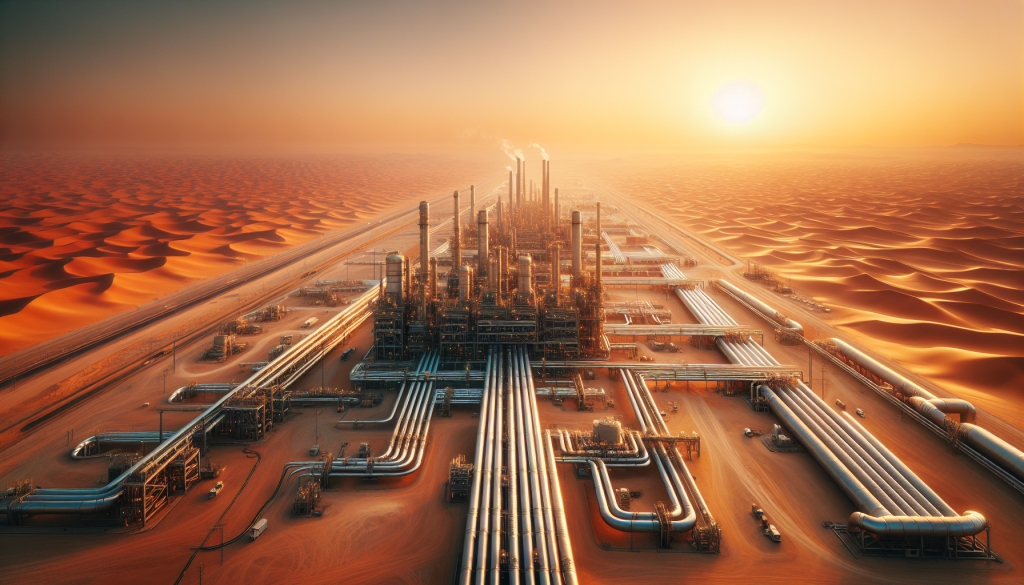
The east-west pipeline, also known as Petroline, has been an economic lifeline throughout the conflict. This 750-mile pipeline network connects the Red Sea in the west to the Gulf in the east, serving as a crucial alternative route after Iran effectively closed the strategic Strait of Hormuz chokepoint.
The Iranian assaults targeted facilities in Riyadh, the Eastern Province, and the industrial city of Yanbu. Infrastructure related to oil and gas production, transportation, refining, petrochemical plants, and power generation were also affected, underscoring the extensive scale of the attacks on Saudi Arabia’s energy sector.