
Microsoft said on Monday that it will put its own Maia artificial intelligence processors into wide use starting in 2027, making them the core hardware for running AI across its products. The shift could lessen the company’s dependence on Nvidia.
The plan was laid out in a blog post by executive vice president Scott Guthrie, who described it as the opening of a new phase for Microsoft’s AI infrastructure. The company says the Maia 200 chip is already operational, including for the Microsoft 365 Copilot assistant.
Data center power demand and the inference race
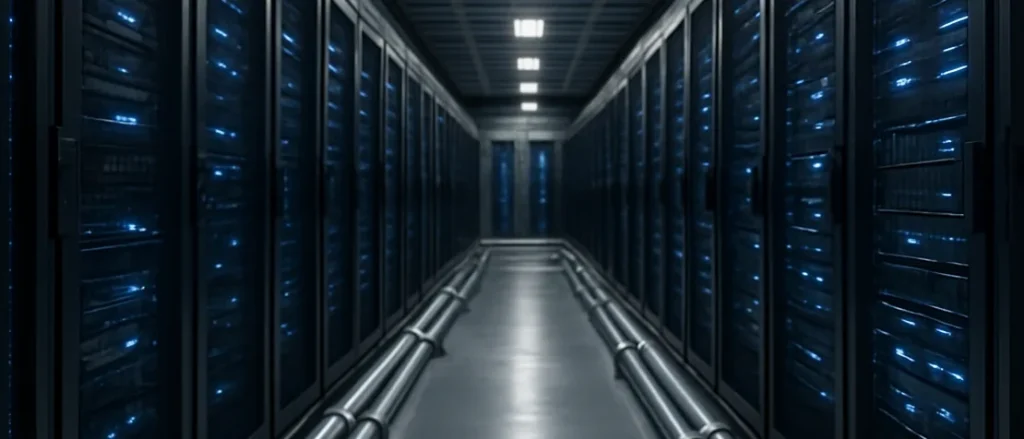
Chips of this kind sit at the heart of the data centers fuelling the AI boom. Microsoft plans to deploy enough of them to draw several gigawatts of electricity, roughly the output of several large nuclear reactors.
Nvidia has long dominated the chips used to train AI models. Rivals and tech giants are now competing for inference, the stage where models answer questions and carry out tasks. That market is growing quickly as firms launch AI assistants and agents that handle multi-step jobs, with Nvidia, AMD, Amazon and Google all releasing new products.
Maia 200 deployment and Maia 300 efficiency claims
Microsoft said Maia 200 runs models from OpenAI, its own MAI models and leading open-source models. The chip is deployed in the United States, Europe and Australia.
According to the company, Maia 200 delivers up to 1.7 times the output per watt of top GPU-powered setups for AI features in Teams and Copilot. The successor, Maia 300, is due to launch in 2027 and is said to squeeze 40 percent more AI work from the same electricity than leading systems, and more than twice what Microsoft’s previous chip manages. Energy efficiency has become a central concern for tech companies, as AI’s power needs strain grids and push up costs.
Rack density, cooling and manufacturing for the new chip
Each server rack will hold 96 chips, double the previous number, and can handle up to seven times the workload, the company said. The chip’s computing components will be manufactured by Taiwan’s TSMC.
In a separate post, Microsoft engineers said a major focus is reducing the power lost when data moves back and forth inside the machines, a problem that grows as AI tools take on more complex tasks. The systems are mostly cooled with liquid, but they can also run in older data centers that use air cooling.