Meta’s messaging service WhatsApp is advancing a significant visual redesign inspired by Apple’s “Liquid Glass” design language. Despite months of testing, this update is still not widely accessible to most users.
The redesign first appeared in beta versions in late 2025, introducing subtle changes aimed at delivering a more modern, layered aesthetic. Initial modifications included adjustments to navigation components and sections of the main chats screen, indicating a broader shift in the app’s overall design approach.
Progress has been slow, with even beta testers reporting limited exposure to the new interface. This suggests Meta is adopting a cautious, phased rollout strategy for the update.
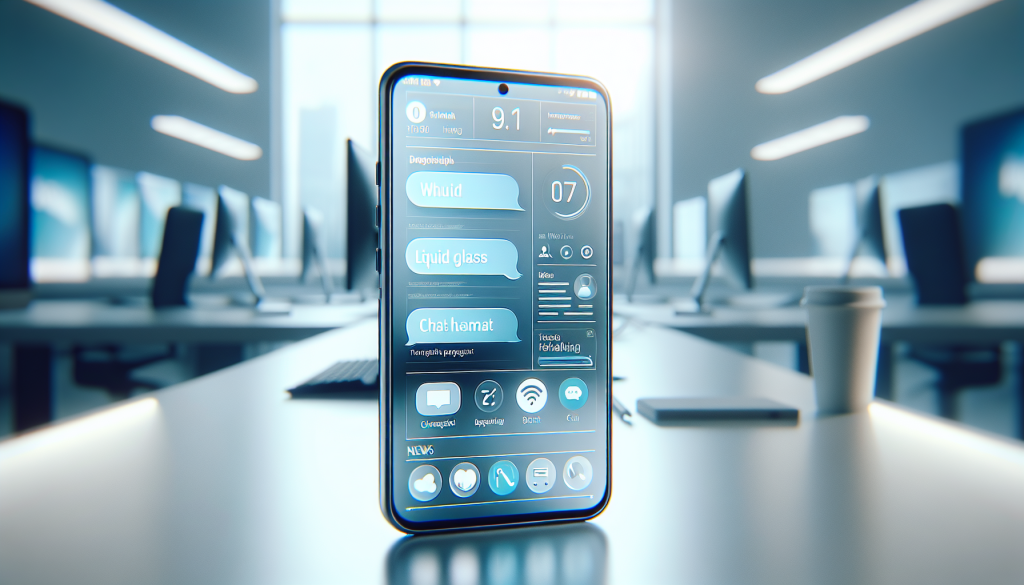
In a significant development, WhatsApp is now extending the Liquid Glass style to the in-chat experience, a critical feature used by billions globally. Internal testing has activated this refreshed layout, which includes a floating chat bar and a semi-transparent navigation bar. Visual enhancements such as depth, blur, and shadow effects contribute to a more dynamic and cohesive look.
These updates aim to unify the app’s visual language, aligning the chat interface with earlier changes made to other areas like the voice message player and parts of the chats tab.
Despite ongoing development, the rollout remains notably gradual. Since the initial beta testing phase, only a small fraction of users have accessed the new design, while the majority continue with the previous interface. Industry analysts believe Meta is postponing a broader release until the redesign is fully integrated across all app features to ensure a consistent user experience.
This cautious approach has caused some frustration among users eager to experience the refreshed look. Currently, there is no confirmed timeline for a full public release. As is common with beta features, updates seen in development do not always lead to immediate availability.
For now, the latest progress indicates that work on the Liquid Glass overhaul continues, with a wider rollout expected only after the design is finalized throughout the platform.