Iran’s army has warned that any new American attack would only spread the war further, as the United States and Israel threaten more military action while both hold major elections. The warning came on Saturday from army spokesman Mohammad Akraminia, who said in a post on X, without giving details, that a fresh campaign by US President Donald Trump, pressed by Israel, would set a much wider area alight.
The statement arrives as new diplomatic efforts try to stop fighting from resuming. Qatari mediators are in Tehran, and US Vice President JD Vance has reportedly sent a letter to Iran’s security chief, Mohsen Rezaei.
Tehran signals readiness alongside a push for diplomacy
Iranian Foreign Minister Abbas Araghchi also warned on Saturday that Iran’s armed forces would respond to anyone who dares to harm the country’s people. In an earlier post, he said the armed forces were fully prepared to defend the homeland, while Iran still wanted diplomacy to succeed.
Also read: Trump signals possible new US military action against Iran
Araghchi added that Tehran remained in close and ongoing contact with intermediaries to examine ideas that could carry out its “7-Day Plan” in less than a week. His remarks suggest that Iran is pairing its military warnings with an open channel for talks.
Qatari delegation and the Vance letter
A Qatari delegation arrived in the Iranian capital on Friday for talks with senior Iranian officials. Qatar and Pakistan have been mediating between the warring sides, but the discussions have not yet produced a lasting agreement.
The Wall Street Journal reported on Wednesday that Vance sent his letter at the direction of President Trump. According to the report, the aim was to revive negotiations and prevent further US strikes. Iran has confirmed that it received the letter but has not announced any response.
Elections and the Hormuz blockade shape the standoff
The United States holds midterm elections on Tuesday, and the outcome could influence the direction of the conflict. The war has proven unpopular with American voters, particularly after energy prices spiked because of the fighting.
Israel also held legislative elections last Tuesday, giving voters a chance to deliver a verdict on right-wing Prime Minister Benjamin Netanyahu. Netanyahu has vowed to topple Iran’s government, and under his leadership Israel and Iran have engaged in direct military clashes after decades of shadow war.
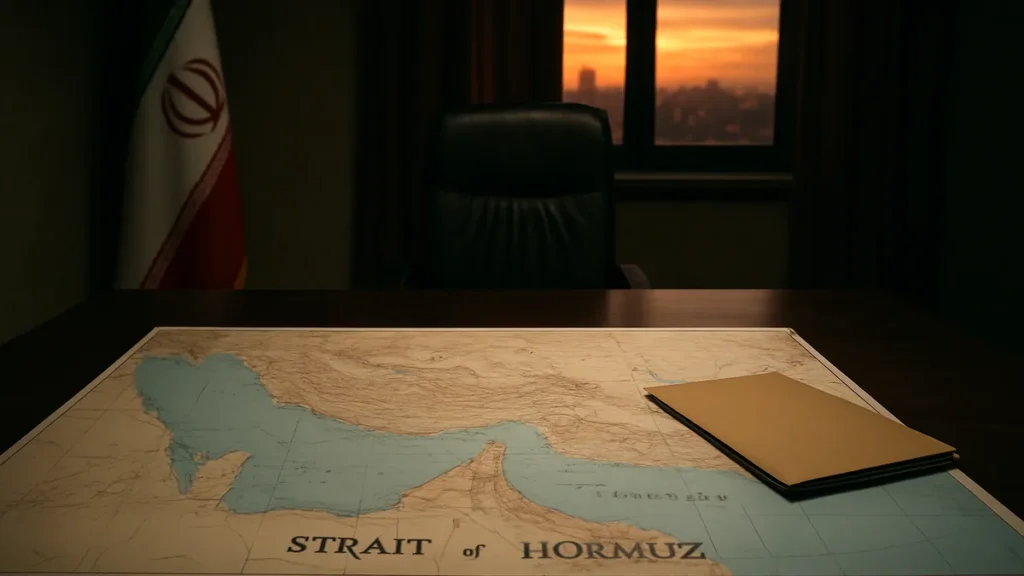
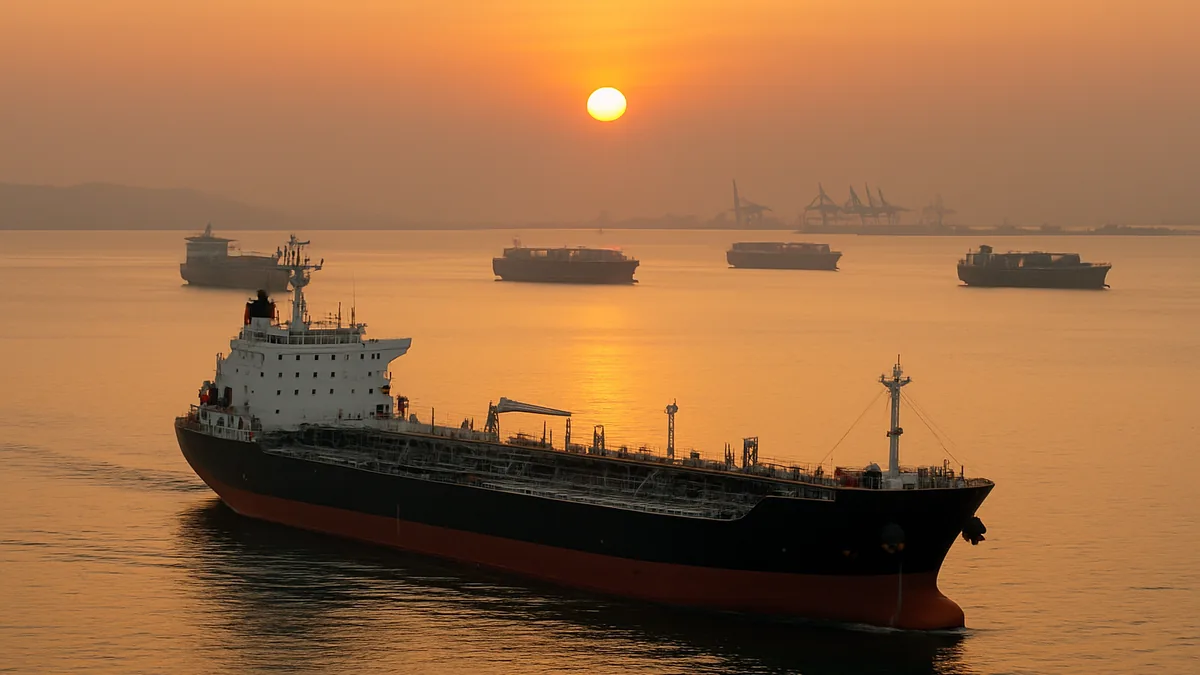
The wider conflict began in late February with US-Israeli strikes on Iran that killed the country’s supreme leader, Ayatollah Ali Khamenei, along with senior military commanders. Iran responded by targeting US assets across the Middle East and Israel. Most recently, hostilities have centred on the Strait of Hormuz, a vital Gulf shipping route for energy exports, which Iran has blockaded since the war began. In retaliation, the US has been blockading Iranian ports in an effort to squeeze the economy.