
A nursery owner in China has been sentenced to life in prison, and five members of her staff have been jailed, after a court found they poisoned more than 200 children with lead-contaminated food. Chinese state media reported the sentences.
Li Huifang ran the Heshi Peixin Kindergarten in Tianshui, in Gansu province. She was convicted of producing and selling toxic and harmful food. The Lanzhou Intermediate People’s Court also ordered the confiscation of 500,000 yuan (£56,200; $74,700) of her personal assets, state broadcaster CCTV reported.
How the poisoning at Heshi Peixin came to light
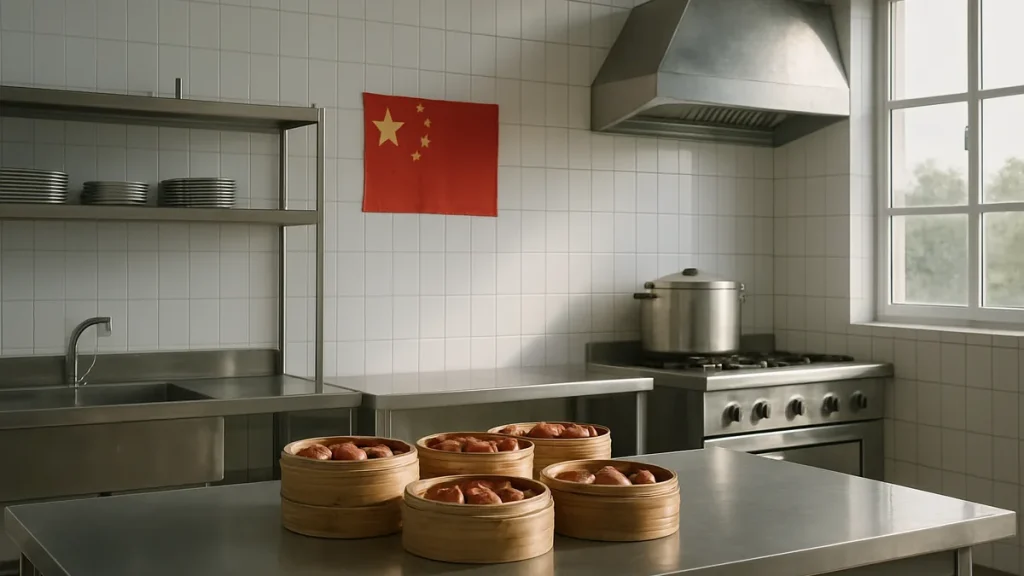
In July 2025, 247 pupils and staff at the nursery were found to have abnormally high blood lead levels after children started falling ill. The investigation began after 235 children needed treatment for lead poisoning following their consumption of steamed red date cakes and sausage corn buns.
Investigators found that the red date cake and corn sausage rolls contained lead at 1052mg/kg and 1340mg/kg, respectively. Both figures far exceed the national food safety limit of 0.5mg/kg. Food samples were later found to contain lead at 2,000 times China’s national safety limit.
Kitchen staff and principal handed prison terms
A report found that chefs had used inedible paint to “enhance the look” of meals and attract more students, even though the paint was clearly marked as inedible. The court found that four kitchen workers had acted on instructions from Li and Zhi Jinglin, the nursery’s executive principal, to add toxic ingredients to food served to children and staff.
Zhi was sentenced to 15 years in prison and also fined. The four kitchen employees received sentences of six to eight years, according to state media.
Cover-up allegations and new national meal rules
Officials later found that dozens of provincial officials and hospital staff tried to hide the incident by tampering with blood tests and accepting bribes from a nursery investor. The World Health Organization says lead poisoning is “particularly harmful to young children” and can severely damage the brain and central nervous system.
China has since issued national guidelines for meals served on campuses. Under the measures, every new batch of food must be tested, and flour, rice and cooking oil may only be bought from centralised procurement points.