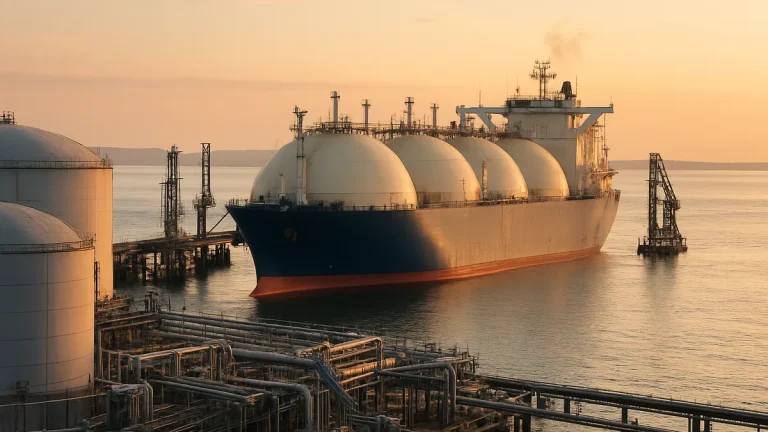
China has developed a new maritime corridor known as the ‘Ice Silk Road,’ which navigates through the Arctic Ocean as ice coverage diminishes due to climate change. This route significantly shortens shipping times between China and Europe compared to traditional passages via the Middle East, potentially transforming global trade logistics. The melting Arctic ice has opened previously inaccessible waters, enabling year-round navigation that was once impossible. This development reflects China’s strategic push to diversify its trade routes and reduce dependency on established chokepoints like the Suez Canal and the Strait of Hormuz.
Meanwhile, the emergence of this Arctic passage has geopolitical implications, particularly concerning the United States, which views China’s expanding presence in the polar region with suspicion. Analysts warn that Beijing’s ambitions in the Arctic could exacerbate tensions between the two powers, as control over new shipping lanes translates into economic and strategic influence. The US has historically maintained a strong interest in Arctic affairs, and China’s assertive moves may prompt a recalibration of policies among Arctic nations and global stakeholders.
In a significant development for international trade and security, the ‘Ice Silk Road’ symbolizes a shift in global maritime dynamics driven by environmental changes and geopolitical competition. If China successfully establishes this route as a viable alternative to Middle Eastern chokepoints, it could reshape supply chains and impact energy and commodity flows worldwide. The evolving Arctic landscape thus represents both an opportunity and a challenge, highlighting the intersection of climate change, commerce, and international relations in the 21st century.