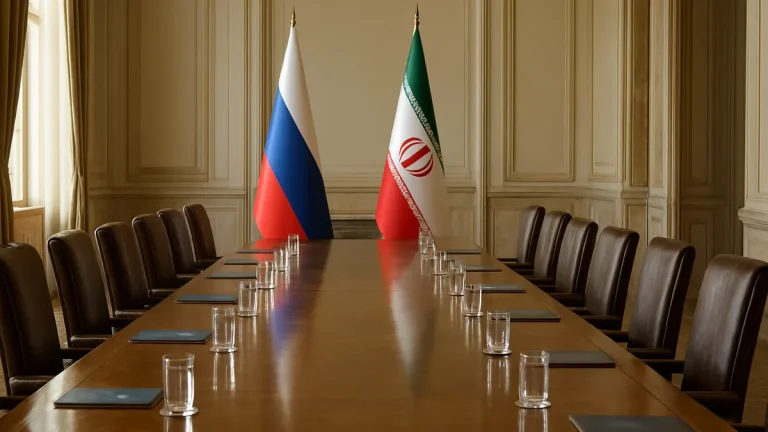

On the 30th day of heightened hostilities between the United States and Iran, former President Donald Trump characterized the US approach to negotiations as only ‘semi-negotiating.’ This statement reflects a cautious and ambiguous diplomatic posture amid ongoing conflict, suggesting that while dialogue exists, it is limited and conditional. The ongoing tensions have roots in longstanding geopolitical disputes and recent escalations in the region, which have drawn global attention to the fragile state of US-Iran relations.
Notably, this period marks a critical phase in the conflict, with both sides maintaining firm positions despite international calls for de-escalation. The US’s partial engagement in talks may be aimed at preserving leverage while avoiding full diplomatic commitments. Meanwhile, Iran continues to assert its regional influence, complicating efforts to reach a comprehensive resolution. The situation remains volatile, with potential implications for regional security and global energy markets.
In a significant development, the US’s stance of ‘semi-negotiating’ underscores the challenges in balancing diplomatic efforts with strategic interests. This approach may impact future negotiations and the broader geopolitical landscape, as stakeholders assess the likelihood of peaceful resolution versus prolonged confrontation. The international community watches closely, aware that the outcome could shape the stability of the Middle East for years to come.