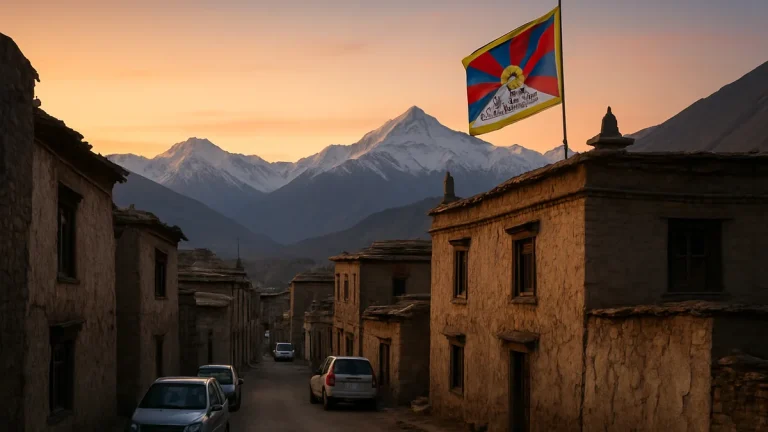
Pakistan-administered Kashmir has experienced ongoing unrest driven by a complex interplay of political, social, and economic factors. The region’s disputed status between India and Pakistan continues to fuel tensions, with local populations often caught in the crossfire of broader geopolitical rivalries. Additionally, restrictions on civil liberties and limited economic opportunities contribute to dissatisfaction among residents, exacerbating instability.
Meanwhile, the impact of these disturbances extends beyond immediate security concerns, affecting development and humanitarian conditions in the area. The frequent clashes and curfews disrupt daily life, hindering access to education, healthcare, and employment. This environment of uncertainty also complicates efforts by both local authorities and international actors to foster peace and development.
In a significant development, the unrest in Pakistan-administered Kashmir highlights the broader challenges faced by disputed territories worldwide, where unresolved conflicts impede progress and deepen divisions. Understanding the root causes is essential for formulating effective policies aimed at reconciliation and sustainable peace. The situation remains a critical issue for regional stability and international diplomatic engagement.