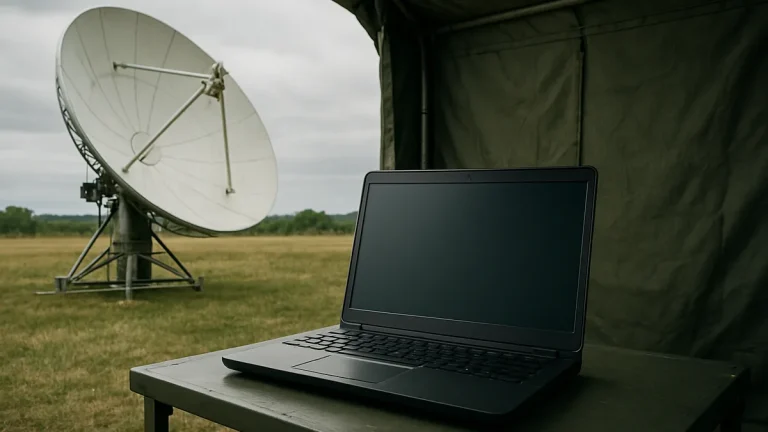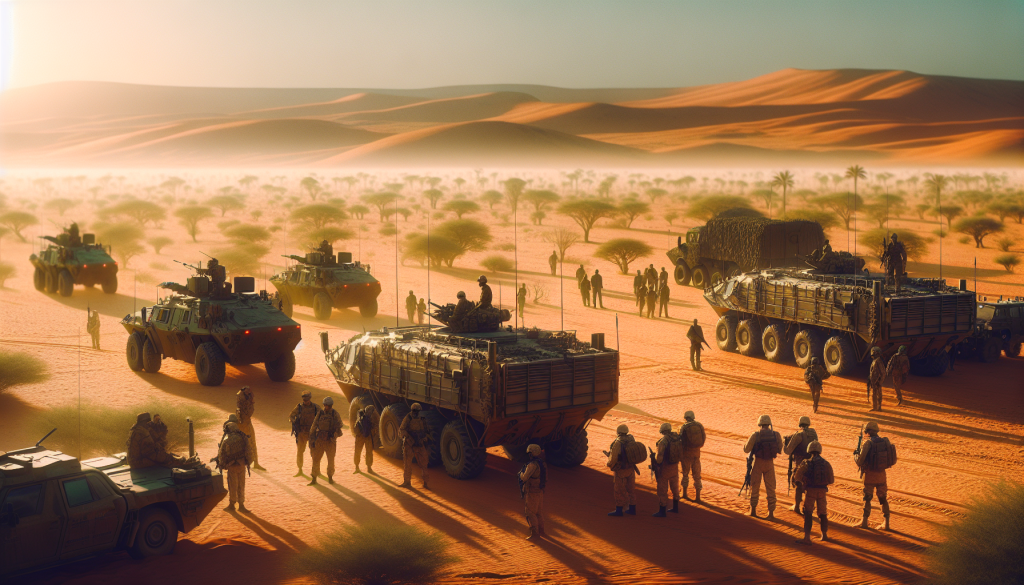
Russia has significantly increased its involvement in Mali’s security landscape, establishing defense partnerships that extend its influence across the Sahel region. This strategic engagement includes military cooperation and support aimed at combating insurgency and stabilizing the area, which has been plagued by jihadist violence and political instability. Mali, a key country in the Sahel, has become a focal point for Russia’s efforts to expand its geopolitical footprint in Africa. These moves come as Western influence in the region faces challenges, creating opportunities for Russia to assert itself.
Meanwhile, Russia’s presence in the Sahel has sparked concern among international observers and regional actors, who question the implications of Moscow’s growing role. The Sahel, a vast and volatile zone spanning several countries, continues to struggle with security threats from extremist groups, making external partnerships critical but also contentious. Russia’s involvement is seen as part of a broader competition for influence in Africa, where military and economic interests intersect. This dynamic raises questions about the long-term impact on regional stability and governance.
In a significant development, the scrutiny of Russia’s activities reflects broader geopolitical tensions and the complexities of security cooperation in fragile states. The effectiveness and intentions behind Russia’s defense partnerships in Mali are under close watch, as the Sahel remains a hotspot for conflict and humanitarian crises. How Russia navigates this environment will likely influence the future security architecture of the region and the balance of power among global actors engaged in Africa. The evolving situation underscores the importance of understanding the multifaceted nature of international involvement in the Sahel’s security challenges.