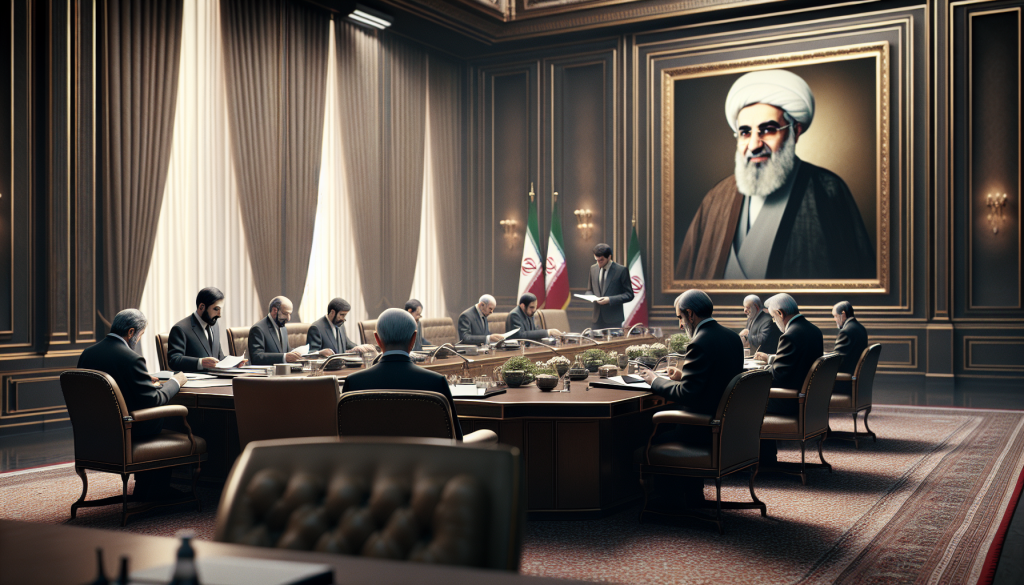
Iran has announced that it will require a few days to engage in consultations with Supreme Leader Mojtaba Khamenei prior to submitting an updated proposal to the mediators involved in ongoing negotiations. This development comes amid heightened regional tensions involving the United States and Israel, underscoring the complexity of the current diplomatic landscape.
Meanwhile, Tehran continues to deliberate internally on its next course of action, reflecting the intricate balance between its diplomatic strategy and military considerations. The necessity of securing approval from the highest authority in the country highlights how closely Iran’s decision-making remains tied to its Supreme Leader, especially as it navigates a challenging geopolitical environment.
Notably, the specifics of the proposed amendments have not been disclosed, signaling a cautious and measured approach by Iranian leadership. This pause in proceedings illustrates the careful weighing of various factors, including international diplomatic pressures, regional security concerns, and domestic political dynamics.
In a significant development, negotiations are expected to resume once these consultations are complete, indicating that Iran remains engaged in the dialogue despite the delays. The outcome of these talks could have important implications for regional stability and the broader international diplomatic efforts aimed at de-escalating tensions.