An assassination attempt on former US President Donald Trump at a White House dinner has sparked widespread concern about the security arrangements in the nation cohosting the upcoming World Cup. This incident has intensified scrutiny of the protective measures in place, especially as millions of football fans prepare to attend the global sporting event. The attack has raised questions about the ability of local authorities to ensure the safety of high-profile figures and international visitors during the tournament.
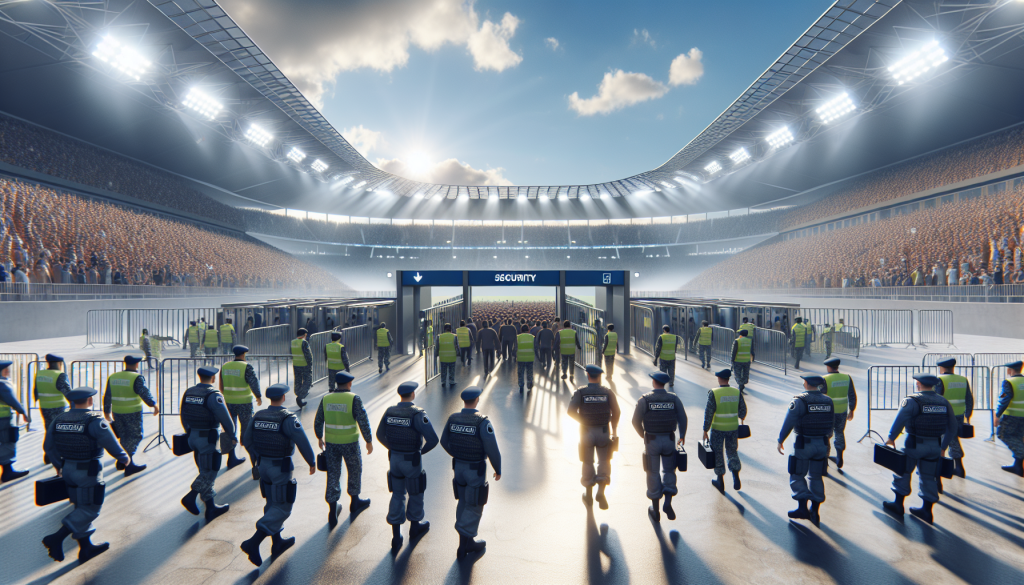
Notably, the World Cup is set to attract a massive influx of tourists and dignitaries, making robust security a critical priority. The recent shooting incident has exposed potential vulnerabilities in the host country’s security infrastructure, prompting calls for enhanced vigilance and coordination among law enforcement agencies. Football enthusiasts and international observers alike are urging the government to reassess and strengthen its security protocols ahead of the event.
Meanwhile, the assassination attempt has broader implications beyond the World Cup, highlighting the challenges faced by nations hosting major international gatherings in maintaining public safety. The incident underscores the need for comprehensive risk assessments and the deployment of advanced security technologies. As preparations continue, the host country faces mounting pressure to demonstrate its capability to protect both its citizens and global visitors from similar threats.