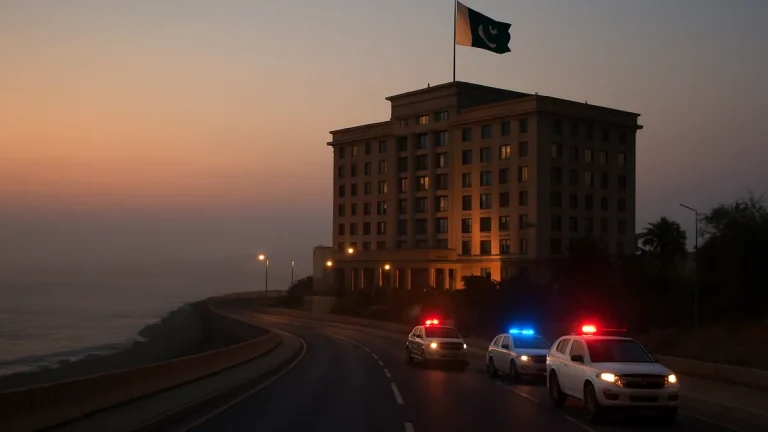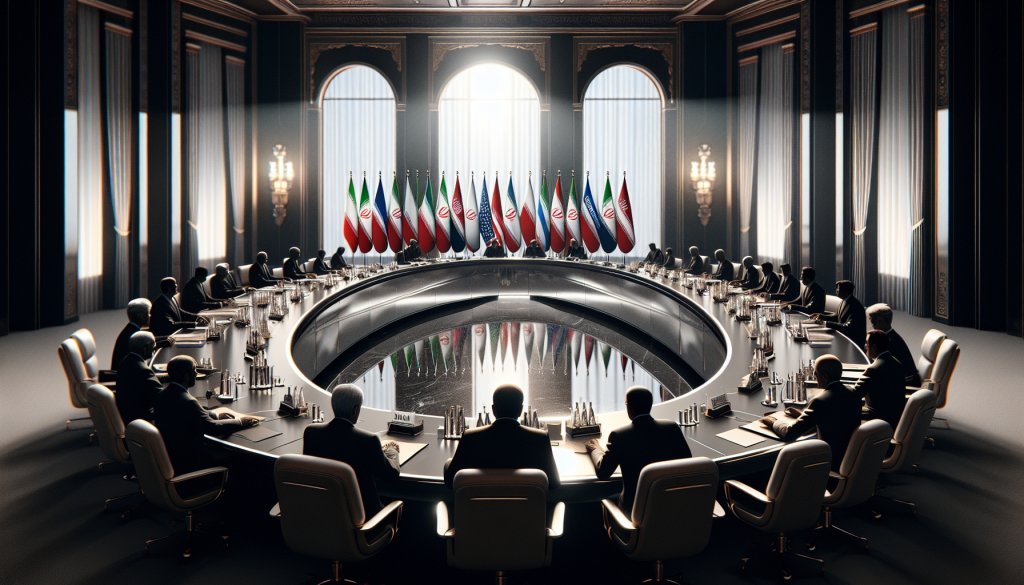
As the Iran conflict enters its 59th day, diplomatic efforts are gaining momentum with Tehran actively engaging regional partners to explore peaceful solutions. These discussions aim to de-escalate tensions and find a pathway toward ending the hostilities that have destabilized the region. The involvement of neighboring countries highlights the broader impact of the conflict and the urgent need for a coordinated approach to restore stability.
Meanwhile, former U.S. President Donald Trump has publicly stated that Iran could initiate direct communication if it wishes to negotiate, signaling a potential opening for dialogue despite the ongoing hostilities. This statement marks a significant development in the diplomatic landscape, suggesting that back-channel communications or formal talks might be possible. Such a move could pave the way for easing tensions and possibly halting further escalation.
In a broader context, the conflict’s continuation has raised concerns about regional security and international relations, prompting various stakeholders to push for diplomatic resolutions. The emphasis on dialogue underscores the recognition that military solutions alone may not bring lasting peace. As the situation unfolds, the world watches closely to see if these diplomatic overtures will translate into concrete steps toward conflict resolution.