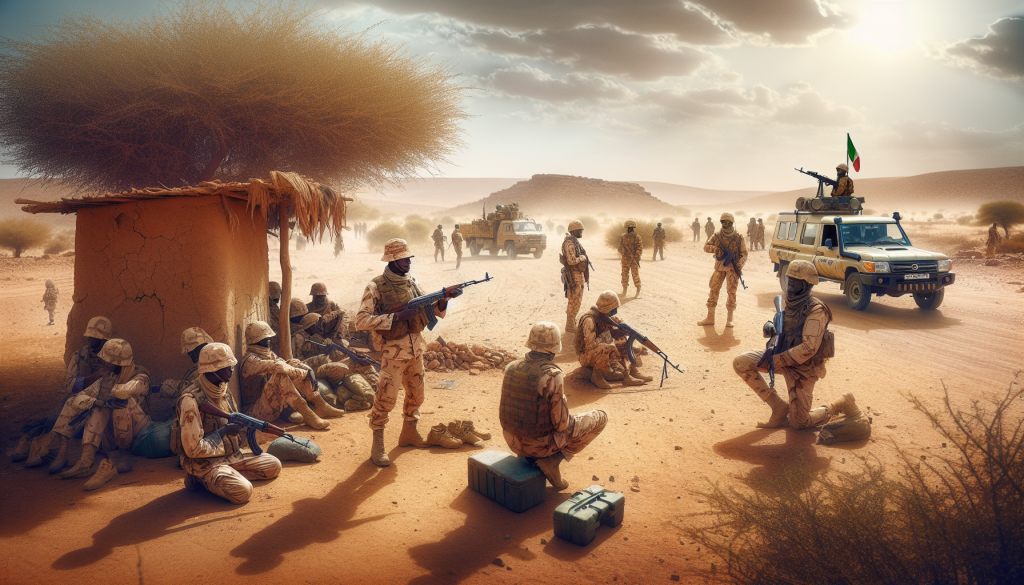
Mali is currently facing a severe security crisis as coordinated assaults by jihadist militants and separatist groups have intensified across the nation. In a significant development, the country’s Defence Minister was killed during one of these attacks, underscoring the deteriorating stability in the region. These militant operations have targeted multiple locations, spreading fear and disrupting governance efforts. The loss of a high-ranking official marks a critical blow to Mali’s military leadership amid ongoing conflict.
The violence stems from longstanding ethnic tensions and the presence of extremist groups linked to al-Qaeda and ISIS, which have exploited weak state control in northern and central Mali. Since 2012, the country has struggled with insurgencies that have complicated peace processes and humanitarian efforts. Meanwhile, separatist factions continue to push for autonomy, further fragmenting the political landscape. The Defence Minister’s death signals the challenges faced by the government in restoring order and protecting its officials.
Internationally, Mali’s instability has drawn concern from regional bodies like the African Union and global powers invested in counterterrorism. The escalation of attacks threatens to undermine recent peace agreements and could lead to increased foreign military involvement. For Mali’s population, the ongoing conflict exacerbates displacement, economic hardship, and insecurity. The killing of the Defence Minister is a stark reminder of the urgent need for comprehensive strategies to address the root causes of violence and restore peace.