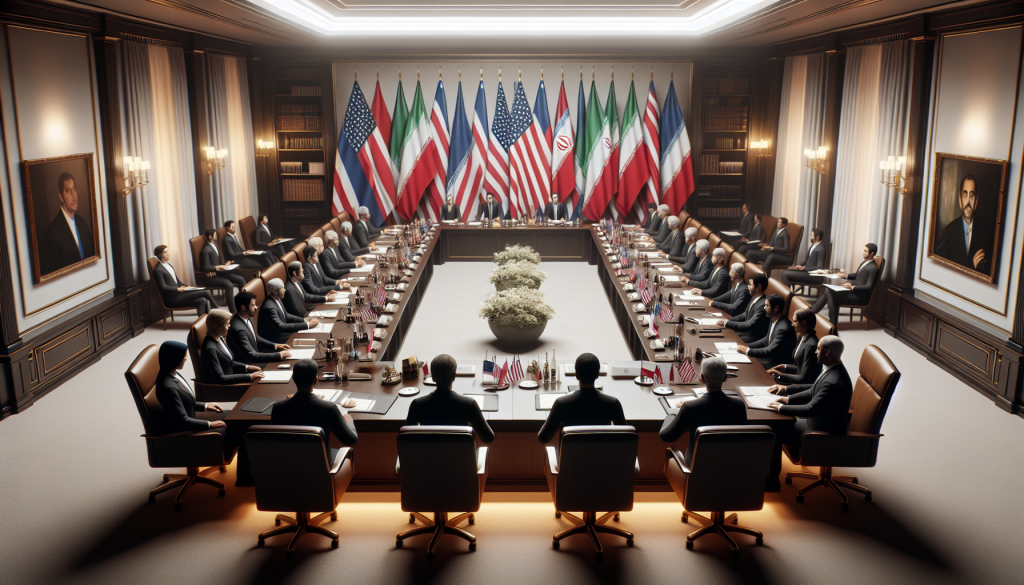
In a notable assertion, former US President Donald Trump claimed responsibility for preventing the execution of eight Iranian women. This statement adds to the complex and often tense relations between the United States and Iran, particularly concerning human rights issues and diplomatic negotiations. Trump’s declaration highlights his administration’s stance on Iran, which frequently involved strong rhetoric and sanctions aimed at curbing Tehran’s policies.
Meanwhile, Iranian officials have refuted Trump’s claim, maintaining that the executions were not halted due to any external intervention. This contradiction underscores the ongoing information battle between the two nations, reflecting broader geopolitical tensions. The fate of these women has drawn international attention, symbolizing the contentious human rights environment in Iran and the global community’s concern over judicial practices in the country.
In a significant development, this dispute over the executions illustrates the challenges in verifying claims made by political figures and the impact such statements can have on international perceptions. The issue also emphasizes the role of human rights in US-Iran relations and the potential influence of diplomatic or covert actions in such cases. As the situation evolves, it remains a focal point for advocacy groups and governments monitoring Iran’s judicial system and human rights record.