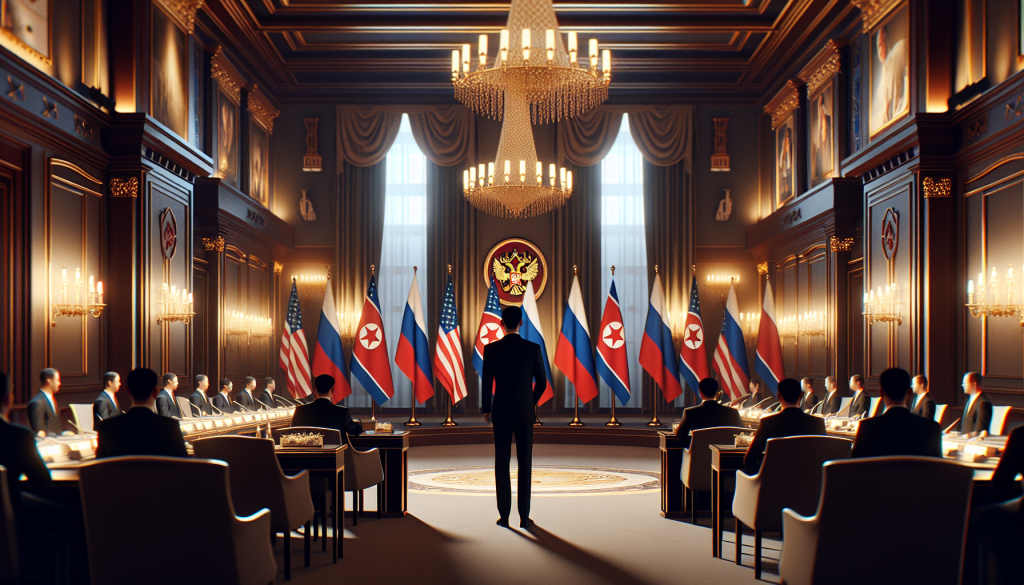
In a significant development underscoring the diplomatic relationship between Russia and North Korea, the Russian parliamentary speaker publicly expressed gratitude to North Korean leader Kim Jong-un for his contribution to the liberation of Kursk. This gesture reflects the enduring historical and political connections between the two nations, particularly rooted in their shared experiences during World War II. Kursk, a city known for its pivotal battle during the war, holds symbolic importance in Russian history, making this acknowledgment notable.
The Battle of Kursk, fought in 1943, was one of the largest tank battles in history and a turning point on the Eastern Front. While North Korea’s direct involvement in that battle is historically unrecorded, the speaker’s remarks suggest a broader narrative of solidarity and mutual respect between the countries. This statement may also be interpreted as part of ongoing efforts to strengthen bilateral ties amid shifting geopolitical dynamics in the region.
Meanwhile, the public acknowledgment by Russia’s legislative leader could have implications for future diplomatic and strategic cooperation. It highlights how historical events continue to influence contemporary international relations, especially between nations with complex pasts. Observers will be watching closely to see how this expression of thanks might impact Russia-North Korea relations moving forward.