Japan has a strong record of hosting major international events, from the Olympics to Tokyo’s annual video game convention. This year’s Asian Games in Nagoya and the wider Aichi Prefecture, however, were overshadowed by problems, including diplomatic blunders, transport errors and accommodation chaos.
Online, some commenters called it the “worst Games in history” and demanded a “full investigation”. Prof Kozo Tomiyama, who studies major sporting events at Osaka University, said organisers appeared unable to cope with the unexpected problems that arose.
Accommodation shortfalls left athletes struggling
Before the competition had even started, participants were complaining about too few rooms and poor-quality accommodation. Organisers had decided not to build a traditional athletes’ village in order to cut costs. Instead, they housed participants in hotels and container-style units across Nagoya.
A senior Korean basketball official said tall athletes staying in the containers were struggling to “stretch their legs out on the beds”. Late additions to the number of participants put such strain on the city’s capacity that an Italian cruise ship with 1,500 cabins was used to fill the gap.
Omi, the Games’ deputy director general, said the organising committee had initially arranged accommodation for up to 15,000 delegation members under the host city contract. As other sports were added, the number rose by 2,000 to 17,000. Organisers first said there was “simply nowhere” to house the late arrivals and told them to make their own arrangements. They later reversed course, issuing a joint statement with the Olympic Council of Asia promising that all “17,000-plus” guests would receive “Games-appropriate accommodation”.
A run of mistakes on the field and at ceremonies
The accommodation problems were only the start. Over the course of the Games, a number of other errors were reported:
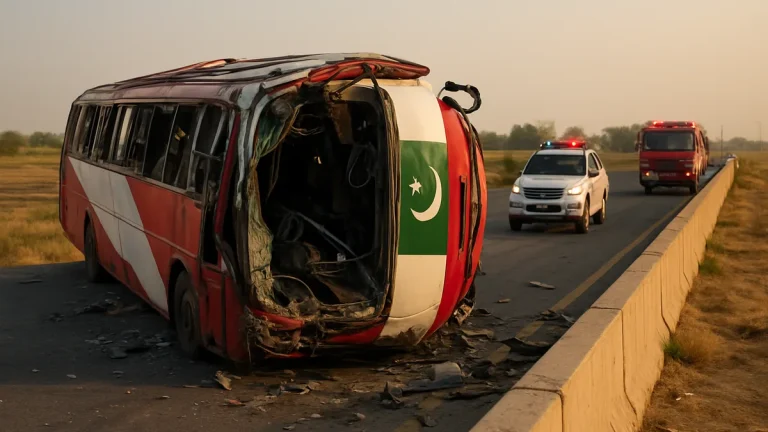
- Athletes were bussed to the wrong venues.
- The North Korean anthem was played for the South Korean men’s hockey team.
- The South Korean flag was not raised properly during the men’s football gold medal ceremony.
- Taiwan’s sports minister was temporarily barred from a flag-raising event.
- Volunteers were emailed an invitation to the closing ceremony free of charge, but an organiser later said the decision was still under review and had not been approved.
Omi admitted the incidents, at an event that was larger than the Paris Olympics by number of participants, had caused significant inconvenience for some delegations. “Hosting and managing an event of this scale was a major challenge for us, and each day involved addressing a range of unexpected issues and challenges,” he said. Officials later sent a formal apology to South Korea over the mishaps affecting its delegation.
Scrutiny of venue operator GL Events
As the problems emerged, local media focused on the company running venue operations, the Japanese subsidiary of France’s GL Events. The firm had won a contract worth 63bn yen (£306m; $405m) over Dentsu Group, an advertising company with a long record of running sporting events in Japan that had been sidelined after a criminal bid-rigging conviction. A source told a news agency that GL Events was “overwhelmingly cheaper” than other providers.
Last week, a Japanese newspaper alleged that the firm had aggressively cut corners on hiring, leaving a shortage of experienced staff to manage the issues that arose. It further alleged that the staff who were recruited had not been properly trained. Omi rejected the criticism, saying GL Events “has experience in international sporting events, including the Paris Olympic Games”, and that the necessary competitive environment was in place before the competition began.
Tomiyama said he did not think it was right to “simply conclude that GL events did not have sufficient experience with international competitions”. He suggested the difficulties may have stemmed from the “extremely broad” scope of responsibility given to the company. Because the contract was negotiated rather than awarded through a competitive tender, he argued, the criteria used to assess the contractor and the supervision that followed should be examined. GL Events did not respond to repeated requests for comment.
Organisers’ defence and ongoing Para Games glitches
Olympic Council of Asia director general Husain al-Musallam pointed to the 54 new world records set in swimming, weightlifting and shooting as evidence that the Games had been a success. He said the achievements depended on the environment the organising committee created, adding that athletes could not perform without good sleep and good transport.
The difficulties have not ended with the Asian Games. At the ongoing Para Games, the wrong national anthems were played at three events. Nagoya Mayor Ichiro Hirosawa, who is also deputy head of the organising committee, called the errors “unacceptable” and apologised. Tomiyama said he hoped organisers would learn from the past few weeks to deliver higher-quality sporting events in the future.