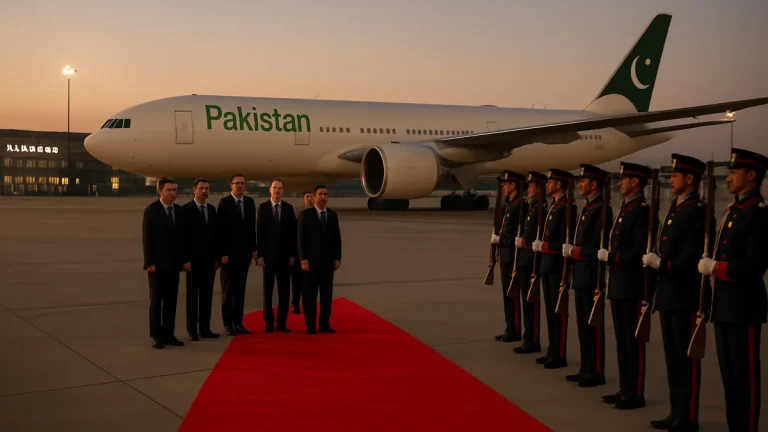
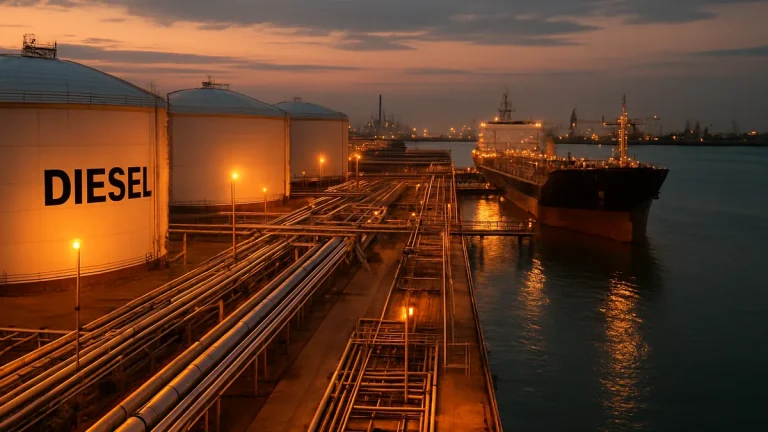
The Mecca defence pact represents a strategic military alliance between Saudi Arabia, Turkiye, and Pakistan, bringing together diverse yet complementary defense capabilities. Saudi Arabia, a leading global oil exporter, contributes significant financial resources and regional influence. Turkiye, known for maintaining NATO’s second-largest standing army, adds considerable conventional military strength and experience. Pakistan, uniquely, possesses the only Muslim nuclear arsenal, enhancing the alliance’s deterrence and strategic depth.
In a significant development, this coalition aims to bolster regional security and counterbalance emerging threats in the Middle East and South Asia. The combination of Saudi Arabia’s economic power, Turkiye’s military manpower, and Pakistan’s nuclear capabilities creates a formidable defense partnership. This pact could shift geopolitical dynamics by fostering closer military cooperation among Muslim-majority countries with shared security interests. It also signals a potential realignment in regional alliances amid evolving global power structures.
Meanwhile, the Mecca defence pact’s impact extends beyond military strength, potentially influencing energy security and diplomatic relations. Saudi Arabia’s oil exports remain critical to global markets, and its involvement in the pact underscores the intersection of economic and security concerns. Turkiye’s NATO membership adds complexity to the alliance, bridging Western and Muslim world interests. Pakistan’s nuclear arsenal further elevates the pact’s strategic significance, underscoring the importance of nuclear deterrence in regional stability. Collectively, these factors highlight the pact’s potential to reshape defense cooperation in a volatile geopolitical environment.