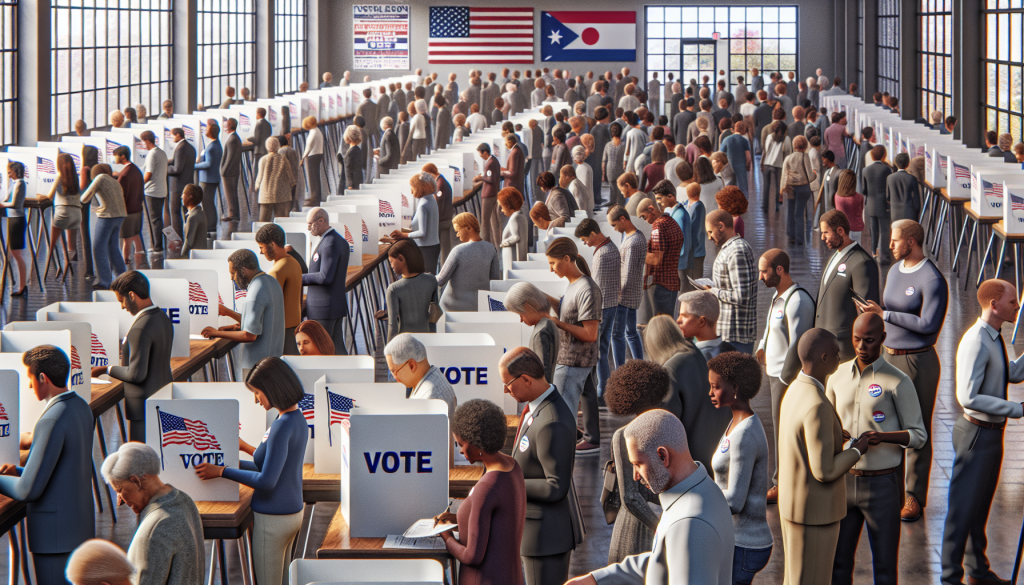
Ohio’s primary election is drawing significant attention as multiple competitive races unfold across the state. These contests are critical for both major political parties as they seek to consolidate support and position themselves advantageously for the upcoming midterm elections in November. Voters in Ohio, a historically influential swing state, are expected to play a decisive role in determining the political landscape for the remainder of the year. The outcomes here could provide early indicators of broader national trends and voter sentiments.
In a significant development, candidates from both parties are intensifying their campaigns, focusing on key issues that resonate with Ohio’s diverse electorate. The primary results will not only decide local and state leadership but also influence party morale and strategic planning on a national level. Meanwhile, political analysts are closely monitoring voter turnout and demographic shifts, which could impact the midterm dynamics. The stakes are particularly high given Ohio’s reputation as a bellwether state in recent elections.
Notably, the Ohio primary serves as a crucial testing ground for campaign messages and voter engagement tactics ahead of November’s midterms. Success in these races can provide momentum and resources for candidates moving forward. Additionally, the primary outcomes may affect legislative priorities and party control in both state and federal government. As the political climate intensifies, Ohio’s primary election remains a focal point for understanding the evolving electoral landscape in the United States.