Pakistan has strongly appealed for restraint and patience as tensions escalate in the Middle East, emphasizing the urgent need to avoid further destabilization in the region. Speaking at an emergency session of the United Nations Security Council focused on the ongoing crisis, Pakistan’s Permanent Representative to the UN, Ambassador Asim Iftikhar Ahmad, expressed deep concern over the recent surge in hostilities. He underscored the importance of diplomatic engagement and cautioned against actions that could exacerbate the volatile situation.
During his address, Ambassador Asim Iftikhar condemned the recent attacks targeting Iran, which occurred amidst ongoing diplomatic efforts aimed at de-escalation. He urged all parties involved to exercise patience and show restraint, highlighting that violence only serves to undermine peace initiatives. The Pakistani envoy also extended condemnation to assaults on other Gulf nations, including Saudi Arabia, the United Arab Emirates, Bahrain, and Qatar, stressing that respect for international law is paramount in maintaining regional stability.
In a poignant moment, the ambassador acknowledged the tragic death of a Pakistani citizen in the UAE, who lost their life due to falling debris linked to a missile strike. He expressed Pakistan’s sorrow over this loss and reiterated the country’s call for all sides to avoid actions that threaten the security and territorial integrity of neighboring states. This statement reflects Pakistan’s broader concern for the safety of its nationals abroad and its commitment to upholding international norms.
Furthermore, Ambassador Asim Iftikhar highlighted Pakistan’s support for the principles enshrined in the United Nations Charter, emphasizing the need for all countries to adhere to these foundational guidelines. He also praised Oman for its constructive role in mediating talks between the United States and Iran, recognizing the value of dialogue in resolving complex disputes. This acknowledgment points to Pakistan’s preference for peaceful negotiation over military confrontation.
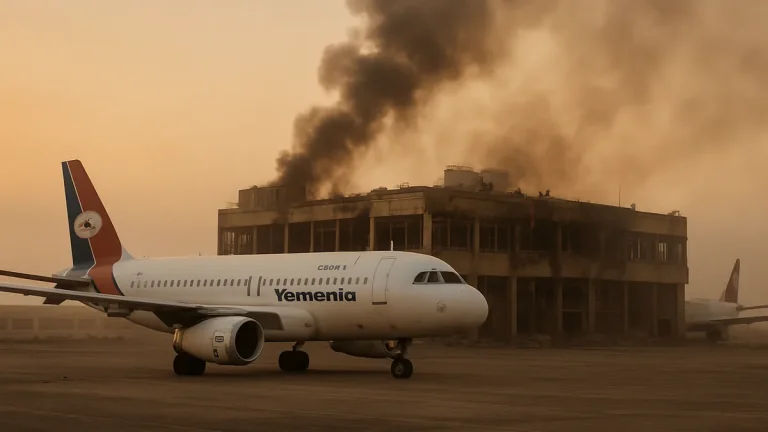
The Security Council meeting took place against the backdrop of significant military developments in the region. Reports indicate that Iran launched a series of ballistic missiles and drone strikes targeting northern Israel under the codename “Operation Fateh Khyber.” These attacks triggered widespread air raid sirens and explosions in multiple locations, including the northern city of Hafizah and the Israeli capital, Tel Aviv. Iranian military officials confirmed the extensive use of missile and drone capabilities in these counterstrikes, marking a notable escalation in the ongoing conflict.
Pakistan’s call for calm and adherence to diplomatic channels comes at a critical juncture, as the international community watches closely to prevent further deterioration of peace and security in the Middle East. The situation remains fluid, with the potential for wider regional implications if hostilities continue unabated. Pakistan’s stance reflects its longstanding policy of advocating for peaceful resolution and respect for sovereignty among nations.