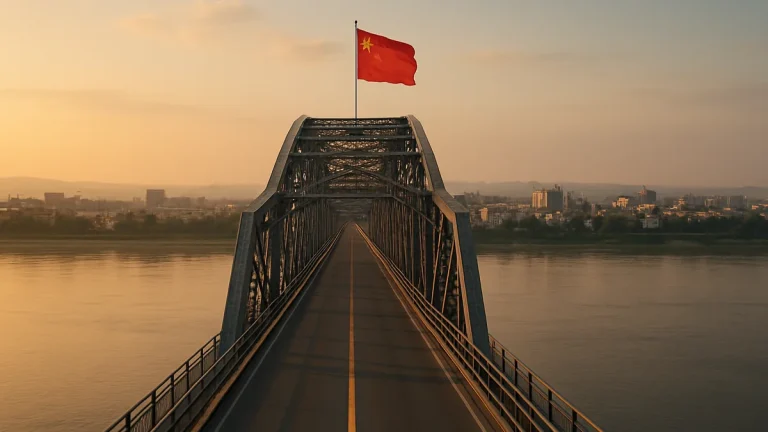
Amid rising tensions in the Middle East, China’s Ministry of Foreign Affairs has voiced serious apprehension regarding the recent US and Israeli military actions targeting Iran. The ministry emphasized the urgent need for an immediate cessation of hostilities, urging all involved parties to refrain from further escalation and to return to diplomatic negotiations. This call reflects Beijing’s longstanding position advocating for peaceful conflict resolution and respect for national sovereignty.
In a related development, the Chinese embassy in Israel has taken precautionary measures by advising Chinese nationals residing in the region to relocate to safer locations or consider traveling to Egypt through the Taba border crossing. This advisory underscores the growing concern over civilian safety amid the volatile security environment. China has reiterated its firm stance that Iran’s sovereignty, security, and territorial integrity must be upheld, signaling its opposition to any actions that might destabilize the region further.
The intensifying conflict has also begun to disrupt regional air travel and logistics. Hong Kong-based Cathay Pacific Group, a major airline operator, announced the suspension of its flights to key Middle Eastern destinations including Dubai and Riyadh. Additionally, cargo operations through Al Maktoum International Airport have been halted temporarily. The airline cited safety risks as the primary reason and is actively working on rerouting flights that typically traverse the affected airspace to ensure passenger and crew safety.
Meanwhile, Cuba has issued a strong condemnation of the recent strikes carried out by the US and Israel against Iran. The Cuban embassy in Washington described these military actions as a blatant violation of the United Nations Charter and international law. The statement highlighted concerns that such aggressive moves undermine ongoing diplomatic efforts aimed at resolving issues related to Iran’s nuclear program. Cuba warned that these attacks not only jeopardize regional stability but also threaten global peace and security.
Egyptian officials have also entered the discourse, with the Foreign Minister stressing the critical importance of regional and international collaboration to de-escalate the crisis. He cautioned against the potentially disastrous consequences if the conflict were to expand beyond its current scope. In a recent phone conversation with his Iraqi counterpart, the Egyptian Foreign Minister reaffirmed that political dialogue and diplomatic engagement remain the only sustainable solutions to contain the escalating tensions. This exchange highlights the shared concern among neighboring countries about the fragile security situation and the urgent need for peaceful conflict management.
As the situation continues to evolve, global reactions reflect a widespread desire to prevent further deterioration of peace in the Middle East. The calls for restraint and renewed diplomacy from influential nations and regional actors alike underscore the high stakes involved and the potential ramifications for international stability. The international community remains watchful, hoping for a swift return to dialogue that can avert a broader confrontation.