
Pakistan’s Drug Regulatory Authority (DRAP) has made two-dimensional (2D) barcoding and serialisation mandatory for all locally manufactured and imported pharmaceutical products. The regulator said the move is aimed at eliminating counterfeit, substandard and unregistered medicines.
Phased rollout begins with October 9 cutoff
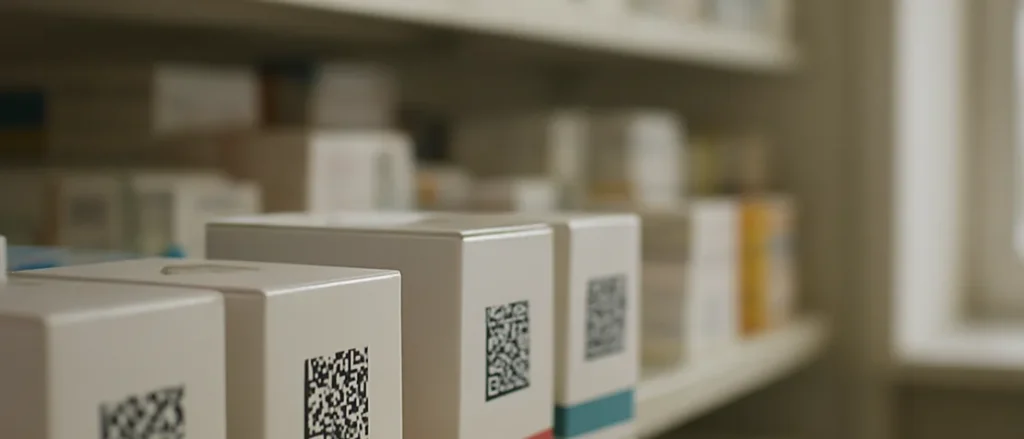
Under the new requirement, medicines made locally or brought into Pakistan on or after October 9 must carry a unique 2D Data Matrix barcode and serial number under the Pharmaceutical Track and Trace System. DRAP said the system is being introduced in phases to modernise the regulatory framework and improve transparency across the medicine supply chain.
The first phase covers all locally manufactured and imported products, including human and veterinary medicines, the authority said. Batches made or imported before October 9, 2026, are exempt and will remain permitted for import, distribution and sale.
Manufacturers warned of legal action for violations
The authority has directed manufacturers and importers to follow the technical requirements set out under the relevant rules. It warned that legal action would be initiated against those found violating the regulations.
DRAP said the tracking system would help curb spurious, falsified, counterfeit and unregistered medicines, make product recalls easier and strengthen transparency and integrity across the supply chain. The authority also consulted key industry stakeholders, including the Pakistan Pharmaceutical Manufacturers’ Association (PPMA), Pharma Bureau and medicine importers, to support implementation.
Consumers can scan packaging to verify medicines
According to DRAP, the 2D barcode will allow consumers to check whether a medicine is authentic by scanning the code printed on its packaging. The authority said this would strengthen public confidence in the pharmaceutical supply chain.