

The Power Division said on Thursday that targeted steps, including limited load management and the use of domestic gas, kept the projected fuel price adjustment for September electricity consumption at Rs2.56 per unit. Earlier estimates had put the figure between Rs5 and Rs6 per unit.
In a statement, the division said these steps spared consumers a possible extra charge of as much as Rs3.44 per unit. It put the total impact of September’s fuel price adjustment at Rs32.7 billion.
Load management and LNG steps reduced September costs
The division said it applied load management lasting two to two-and-a-half hours a day in September. The aim was to lower dependence on costlier alternatives, particularly furnace oil and high-speed diesel. Without this, it said, the adjustment could have risen sharply because generating power from those fuels had become expensive amid high international oil prices.
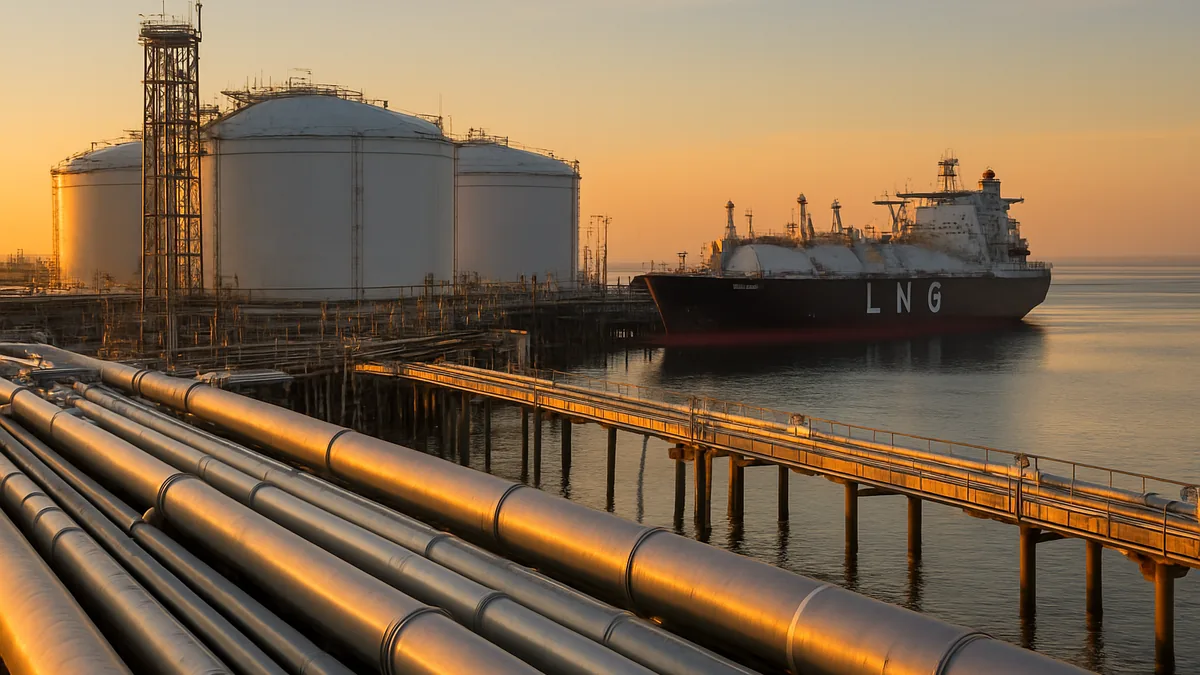
A separate measure involved supplying imported liquefied natural gas (LNG) to power plants at domestic gas rates. The division said this eased the burden on consumers by 83 paisa per unit. According to the statement, the projected September adjustment is now expected to be Rs1.45 per unit higher than the August adjustment.
Oil prices and RLNG supply pressures
The division said crude oil prices in the international market had climbed above $120 per barrel because of a regional conflict. When the country’s base electricity tariff was set, the estimated price was around $70 per barrel.
It said Pakistan kept working to meet its re-gasified liquefied natural gas (RLNG) needs through available contracts and extra spot-market cargoes, even though Qatar had declared force majeure. The division added that RLNG would remain necessary to keep the power system stable. Any further cut in supplies could push the country towards pricier furnace oil and high-speed diesel, potentially raising generation costs.
Consumer burden held to 65 paisa since January
The division said the combined effect of monthly fuel price adjustments and quarterly tariff changes from January to August 2026 had limited the extra burden on consumers to 65 paisa per unit. It described this as an increase of only 1.9 per cent in the base electricity tariff over that period.
The division also credited a package that encouraged industrial and agricultural users to consume more electricity, which it said had supported greater use of power from the national grid.
The statement comes as fuel adjustments and quarterly revisions continue to affect power bills. In September, the National Electric Power Regulatory Authority (NEPRA) notified a fuel cost adjustment of about Rs2.06 per unit for July consumption, along with a quarterly adjustment of about 52 paisa per unit. Together, the two charges added roughly Rs2.58 per unit to bills for eligible consumers.