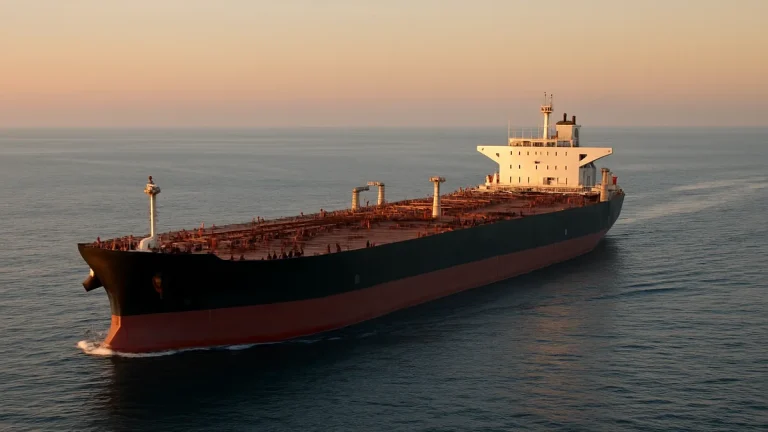
The Strait of Hormuz remains a critical chokepoint for global oil transportation, with a significant portion of the world’s crude passing through this narrow waterway. Recently, crude oil flows through the strait have shown signs of recovery, signaling some easing of previous disruptions. However, despite this improvement, the costs associated with tanker insurance have surged, reflecting ongoing concerns about regional security and potential conflict. These elevated insurance premiums act as a financial deterrent, complicating efforts to restore normal shipping operations fully.
In a significant development, geopolitical tensions continue to cast a shadow over the Strait of Hormuz, limiting Iran’s ability to exert full control or leverage over this vital maritime route. While Iran has historically used its strategic position to influence global oil markets, recent economic pressures and international sanctions have weakened its grip. The persistent risks of military confrontations and sanctions enforcement have made shipping companies cautious, further impeding a return to pre-crisis conditions. This dynamic underscores the complex interplay between regional politics and global energy security.
Meanwhile, the partial recovery of crude flows through the Strait of Hormuz holds broader implications for the global economy, particularly for energy-importing nations dependent on Middle Eastern oil. Any sustained instability or escalation in the region could trigger spikes in oil prices and disrupt supply chains worldwide. Consequently, stakeholders from governments to multinational corporations remain vigilant, monitoring developments closely. The situation highlights the ongoing vulnerability of global energy routes to geopolitical and economic disruptions, emphasizing the need for diversified energy sources and enhanced maritime security measures.