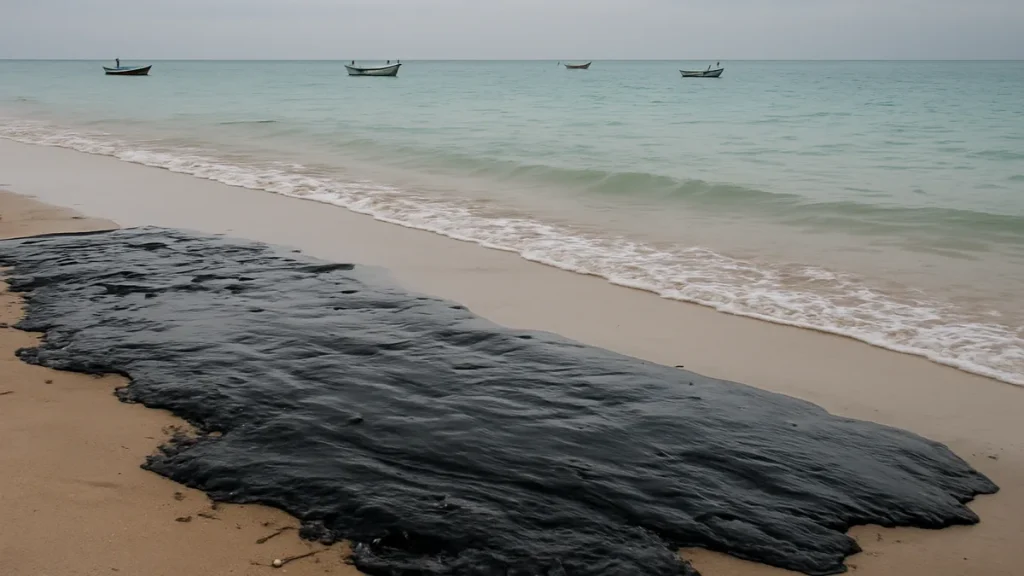
Oil from a tanker struck near the Strait of Hormuz has reached beaches along the United Arab Emirates (UAE) coastline, prompting authorities to close some beaches and coastal areas.
Satellite images from Monday first showed the early stages of the spill. The vessel’s location and dimensions match Gem No.2, which was damaged between 9 and 10 October during a record run of vessel strikes by Iran. By Wednesday, satellite imagery indicated the slick had travelled more than 35km (22 miles) from the tanker.
UAE authorities respond to beach closures
UAE authorities said on Thursday that the incident is affecting beaches near the northern city of Umm Al Quwain. Verified video from Friday showed oil washing ashore and turning the water black.
The Ministry of Climate Change and Environment said it had “immediately began containment” to “limit environmental impacts”. Radar satellite imagery reviewed by a verification team and an intelligence firm suggested that a much smaller leak, first visible on 19 October, expanded rapidly over two days.
Scientists warn of risks to marine wildlife
Prof Steve Widdicombe, director of the Sharjah Marine Science Research Centre in the UAE, told the verification team that an impact was “inevitable”. Researchers, however, said it is too early to judge how much damage has been done.
Oil spills can kill marine animals immediately, for example by trapping turtles, coating the feathers of seabirds or damaging the gills of fish. Widdicombe said that longer-lasting harm could occur if species stay exposed to toxic compounds from the oil, which could affect their ability to reproduce.
Researchers caution that the environmental effect remains highly uncertain. It depends on the volume and type of oil spilled, how quickly it evaporates or breaks down, and how effective the clean-up proves.
Protected islands in the path of the slick
The spill extends towards Siniyah and Khor Al Beidah islands, a globally recognised Key Biodiversity Area. The islands contain corals, seagrasses and saltmarshes, along with green turtles and the critically endangered Halavi guitarfish.
Eoghan Darbyshire, a scientist at the Conflict and Environment Observatory, described the spill’s proximity to the area as the “most concerning environmental angle”.
Tanker struck near the Strait of Hormuz
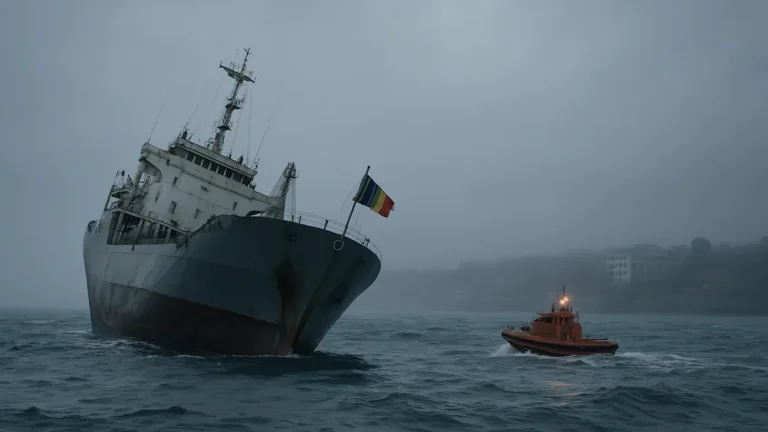
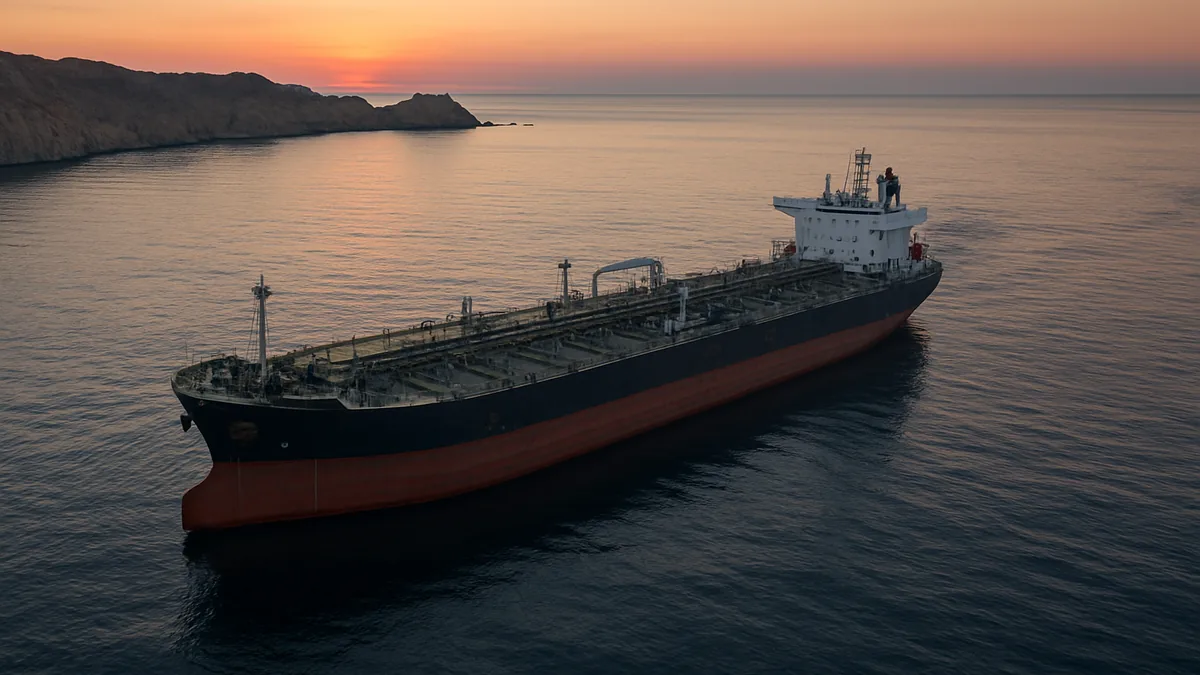
Analysis of the ship’s dimensions and location indicates it is a crude oil tanker called Gem No.2. A maritime intelligence firm reported that the Panama-flagged vessel was “struck by an unknown projectile” on 9 October, just north of the town of Al Hamra. The strike caused a fire on board, which was later put out.
Verified footage first posted on social media on 10 October showed crew members running across the deck and putting on lifejackets as thick black smoke rose from the ship. Iranian state media also shared footage of a vessel matching Gem No.2, appearing to show it on fire with burning oil spilling into the sea.
According to state media, the ship had been trying to leave the Strait of Hormuz by an “unauthorized and dangerous route”. The Indian consulate in Dubai said on 11 October that all 22 Indian crew members had been rescued.
Gem No.2 is one of a record number of ships that reported being attacked in and around the strait at the start of October. Security experts told the verification team that the attacks formed part of an Iranian effort to assert greater control over the waterway, in response to the US military successfully escorting more vessels through the route.
Tankers and other commercial vessels have come under fire from both Iranian and US forces in and around the strait amid the conflict between the two countries. In August, another major oil slick washed up on the shores of Iran’s Qeshm Island, which experts said threatened wildlife, protected ecosystems and fishing communities.