
Nebraska rancher Yvette Mannon, 63, was already facing a difficult year when the United States announced plans to import foreign beef. A wildfire had destroyed 1,600 acres of grazing land and 13 miles of fencing on her ranch earlier in the year, and fuel and steel costs were climbing. She said the beef decision felt like a betrayal, even though she voted for President Donald Trump.
Her experience reflects a wider mood among farmers and ranchers in the state, which backed Trump overwhelmingly in the last election. Many say they are being squeezed from several directions at once, and some are reconsidering their political loyalties as the midterm elections approach.
Wildfire, steel and diesel costs strain Nebraska ranches
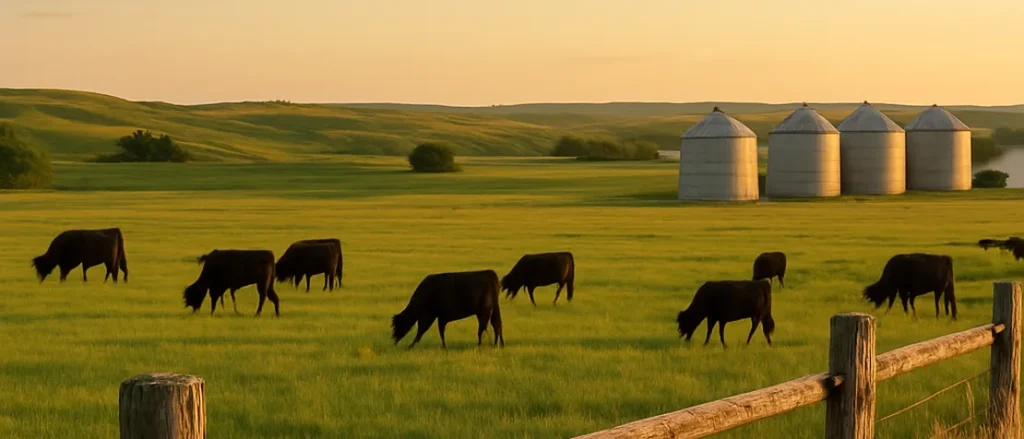
Mannon’s fire damage came in April. The blaze destroyed grazing land on the ranch she bought in 2002, and she had to replace the fencing. Her 300 cattle survived, but the herd still needed feeding.
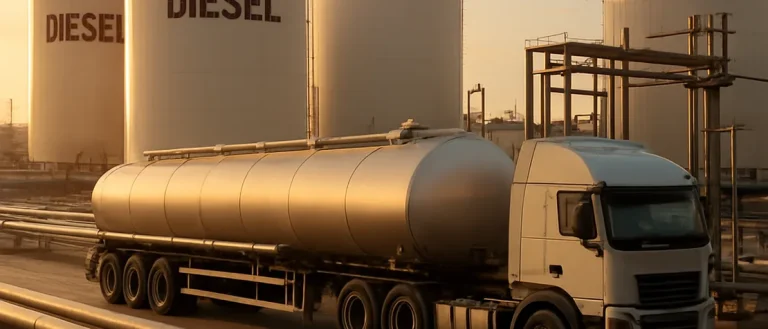
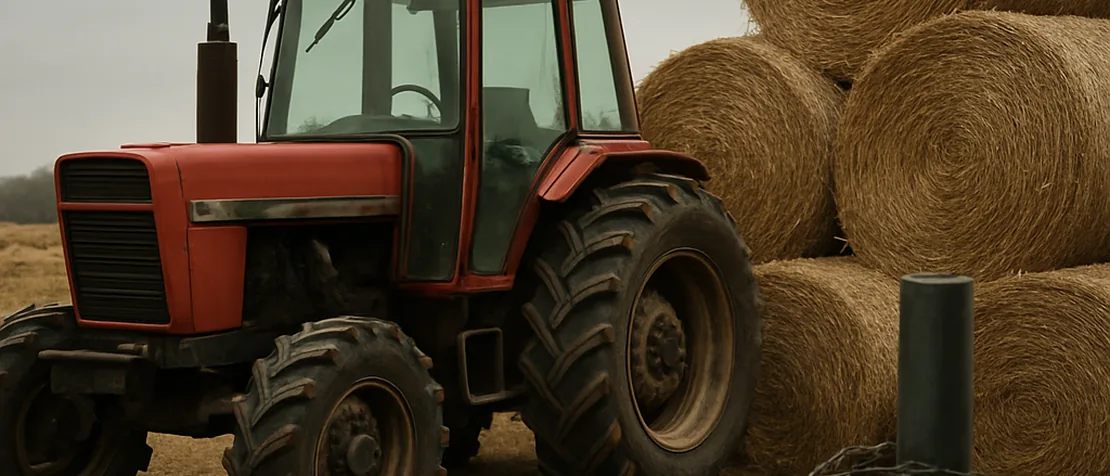
Steel prices are at their highest level in years, which Mannon linked to tariffs imposed by Trump. Replacing the fencing cost $4.89 a foot, bringing the total to more than $300,000. Because so much grazing land had been lost, a tractor also had to deliver hay to her cattle every day, at a time when diesel prices were up more than 40 percent from the previous year, a rise the reporting linked to the Iran War.
Many farmers say the strain has built up over several years. Drought has affected crops, and cattle herds are already at historically low levels. They argue that government policies have made an already hard situation worse.
Beef imports and border decisions hit cattle prices
In August, the Trump administration said it would import 300,000 metric tons of duty-free foreign beef to help lower consumer prices. The announcement came just before the September to November period when most US calves are weaned and sold, and the cattle market fell immediately.
Ranchers also pointed to the administration’s plan to open the southern border to Mexican cattle. Together, these decisions have pushed already volatile markets into sharp swings, and many producers are losing hundreds of dollars per head of cattle.
James Mitchell, an assistant professor and agricultural economist at the University of Arkansas, said the effects had been broadly negative for the cattle market. He said cattle markets move in cycles of roughly 10 to 12 years. The industry recently enjoyed a strong period of low supply and high demand, but he said the market is now clearly on a downswing.
Jake Wolfinger, 45, runs a feedlot near Lexington, Nebraska, with 5,500 cattle. He said he had not factored the Iran War, tariffs or foreign beef imports into his plans. Cattle he was selling at $240 per hundredweight had dropped to $225, which he said could mean a loss of hundreds of dollars a head. Some of his equipment, he added, was using 400-gallon tanks of diesel a day.
Trump supporters weigh loyalty before the midterms
Wolfinger, who voted for Trump, said he was frustrated with the way the president had intervened in the beef market. “People need to stay the hell out of farmers’ business, because it’s harvest time,” he said. He also said he believed Trump was, for the most part, trying to run the country in the right direction.
Duane Kimball, 54, near Callaway, Nebraska, said rising borrowing costs were painful for many producers. “I know a lot of people have had to go back to their banks and increase their lines of credit,” he said. He did not blame the administration for all of his challenges, pointing instead to cumbersome regulations and the rising cost of machinery and fertiliser, trends that began before Trump returned to the White House.
Jim Jenkins, a rancher and former independent senatorial candidate, is an outspoken critic of the president. He said he had hoped Trump would prove to be a practical businessman, but now said, “I think he’s been anything but practical.” Jenkins cited high costs for diesel, fertiliser, lumber and steel, and said uncertainty about the next announcement was keeping him awake at night.
Other Trump supporters still view his decisions more generously. Don Cantrell, whose family farm now covers 12,000 acres, said he is still hit by diesel costs. He acknowledged that the president “does some stupid things” and “says some stupid things”, but called him the “best president overall”, pointing to the creation of the Department of Government Efficiency and its focus on cutting waste.
Don Batie, 67, retired from farming last year for personal and economic reasons. He said corn prices had fallen from $7 a bushel in early 2022 to $4.29 three years later, while costs kept rising. He voted for Trump in 2016 and in the primary, but not in 2024, because he was disappointed with the president’s policies. He said many Republicans in the state still back the party but no longer support Trump.
Across the state, the work continues. At a regular indoor cattle auction in Broken Bow, buyers in cowboy hats and plaid shirts gathered on a rainy Thursday. Mannon said farmers and ranchers remain hopeful. “People in agriculture are eternal optimists,” she said. “Otherwise we wouldn’t get in it.”