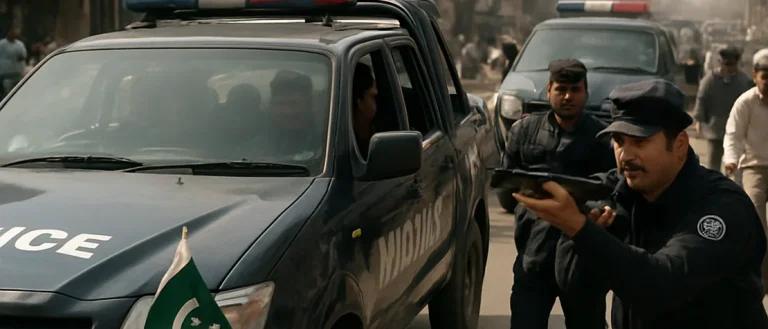

Police in New Delhi detained at least 2,500 protesters and 15 journalists on October 10 as crowds gathered for a major demonstration demanding the reversal of a purge of the voter rolls. The protest was led by the Cockroach Janta Party (CJP) movement, whose supporters have adopted the nickname “cockroaches”. Detainees were taken to detention centres set up at various locations across the city, and many have since been released.
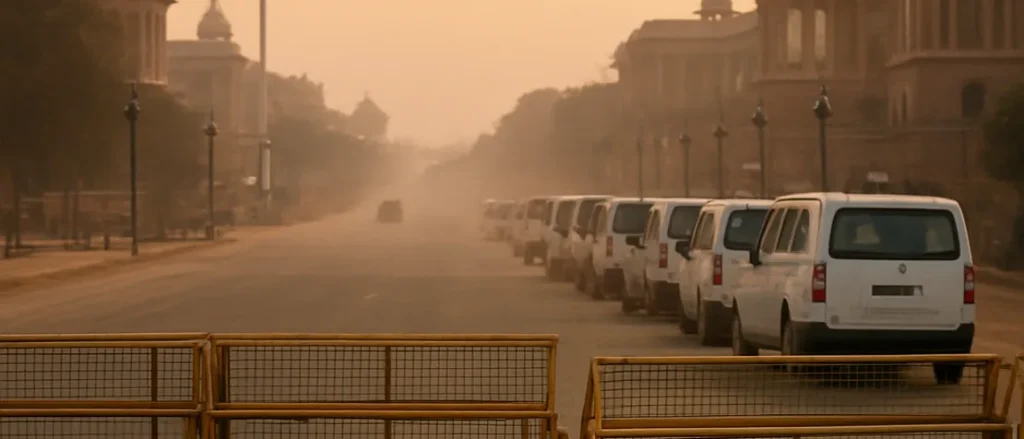
The protest came after a series of measures that critics of Prime Minister Narendra Modi’s government have compared to the emergency era. Ahead of the demonstration, trains to New Delhi were halted, paramilitary forces were deployed at protest sites and internet access was disrupted.
Activists detained before the October 10 demonstration
Before the protest, leading figures linked to the CJP were detained. They included Ratna Singh, Abhijeet Dipke and Dhruv Rathee. Many other known activists were also taken into custody, among them Tushar Gandhi, a great-grandson of Mahatma Gandhi.
Despite the detentions, demonstrators moved into the streets of New Delhi and tried to reach designated protest sites. Similar scenes were reported in city after city across India. Throughout the day, protesters repeatedly regrouped in different parts of the capital after being pushed out of the designated sites, according to the commentary.
The CJP has said that protests will continue. Opposition parties have said they will hold their own protest on Monday.
Opposition seeks presidential intervention over electoral rolls
On Friday, opposition parties led by Rahul Gandhi met President Draupadi Murmu. They told her that the government had undermined India’s democratic framework, the commentary said.
The dispute centres on the Special Intensive Revision (SIR) of electoral rolls. An opinion piece on the protests argues that the revision removed the right to vote from 130 million Indians, a figure the author presents as their own assessment. The same piece says the revision helped shape election outcomes, and it criticises the chief election commissioner, Gyanesh Kumar, who oversaw the SIR, for not resigning. It also notes that a corruption case against Kumar from 2006 has resurfaced.
The commentary is the personal view of its author and does not necessarily reflect the editorial position of the publication in which it appeared. The government’s position on the SIR and the detentions was not included in the material reviewed for this report.