
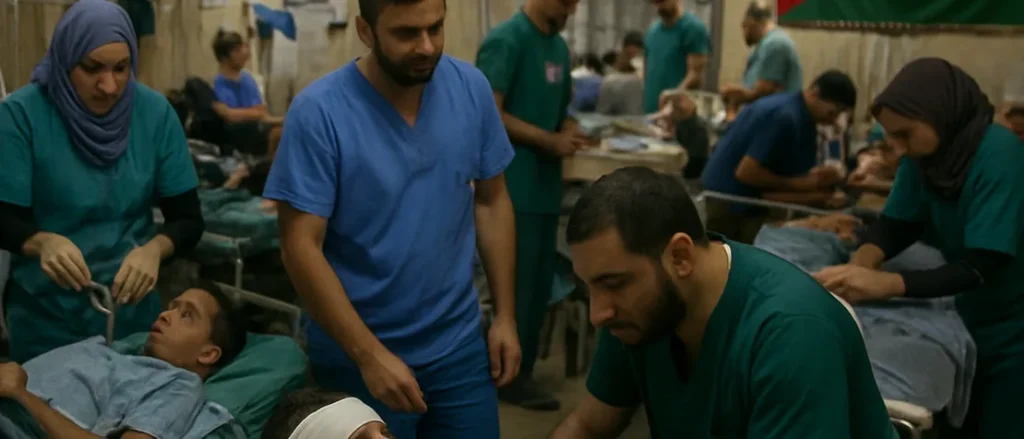

One year after the ceasefire was announced on October 10 last year, Gaza’s healthcare system continues to face severe challenges. Despite hopes that the ceasefire would allow for medical supplies to arrive regularly and for hospitals to be restored, the health infrastructure remains overwhelmed and under-resourced.
Medical Aid for Palestinians (MAP) reports that ongoing bombardment has resulted in more than 1,470 deaths since the ceasefire began, with many patients arriving at clinics with traumatic injuries. The security situation has worsened, forcing suspension of some health services in parts of Gaza. A recent incident involved a 65-year-old patient killed by Israeli military quadcopter fire while seeking treatment at a MAP-supported centre in Jabalia.
Medical supply shortages and restricted evacuations
Medical supplies and equipment deliveries remain heavily restricted by Israeli authorities, limiting treatment options for patients with long-term needs. Those requiring rehabilitation and prosthetics after limb loss face significant barriers, while children suffering from malnutrition-related conditions such as anaemia and stunting struggle to receive necessary care.
Chronic disease patients, including those with diabetes, high blood pressure, cancer, and kidney failure, face difficulties accessing essential medicines and treatments. Cancer patients, for example, cannot obtain radiotherapy, and kidney patients lack reliable dialysis.
Medical evacuations have been stalled by slow and unclear bureaucratic processes. A case highlighted by MAP involved a woman named Iktimal, who was diagnosed late with cervical cancer due to delayed biopsy testing caused by laboratory supply shortages. After surgery and complications requiring specialist care unavailable in Gaza, her family’s application for medical evacuation was delayed. By the time she was approved to travel to Egypt, her condition was critical, and she died two weeks later.
The World Health Organization states that over 15,000 people in Gaza are still awaiting medical evacuation, with many at risk of preventable death if delays continue.
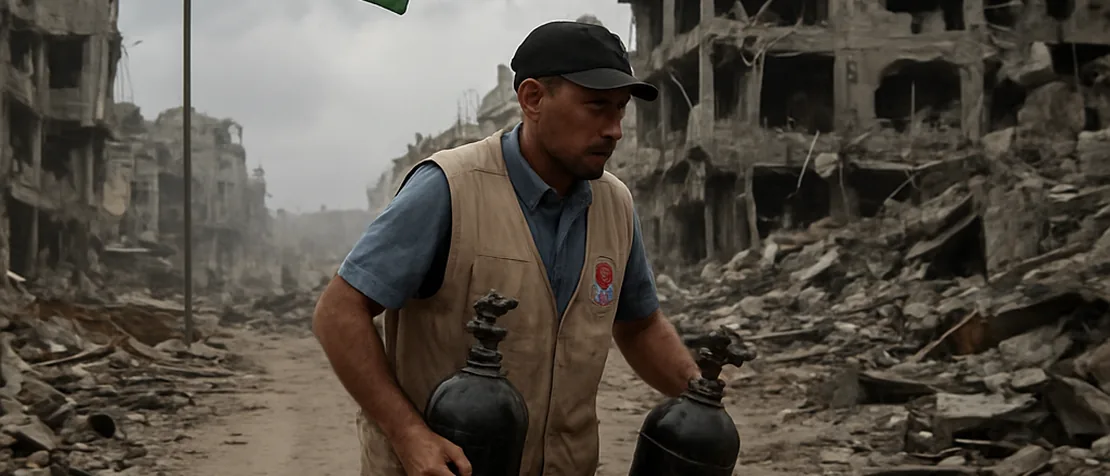
Critical shortages in hospitals and oxygen supply
Hospitals in Gaza face shortages of basic medical supplies, including intravenous fluids, anaesthetics, surgical materials, and oxygen. Medical staff often must transport oxygen cylinders to central stations for refilling. More than 500 patients depend on oxygen, including those with cancer, pulmonary fibrosis, heart conditions, and critically ill children.
In August, the Palestinian Ministry of Health warned that 22 of Gaza’s 34 oxygen stations had ceased functioning, and only four of 30 machines used to fill oxygen cylinders remained operational. Spare parts needed for repairs are blocked by Israeli authorities, who classify them as “dual-use” items.
Similarly, Gaza lacks a working MRI machine, and only one or two CT scanners serve a population of about two million. This forces doctors to make treatment decisions without essential diagnostic tools.
Impact on patient outcomes and healthcare system
The ongoing restrictions and shortages have severe consequences for patient health. Early-stage cancers become harder to treat, injuries that could be rehabilitated result in permanent disabilities, and children with malnutrition face lifelong developmental challenges.
MAP emphasizes that the ceasefire has not provided the anticipated opportunity for healing and rebuilding. The same restrictions that delayed Iktimal’s diagnosis, treatment, and evacuation remain in place, affecting thousands of others.
Every delay in receiving medicines, scans, or permission to exit Gaza increases the risk of worsening conditions and preventable deaths. Many patients in Gaza are running out of time as the healthcare crisis persists.