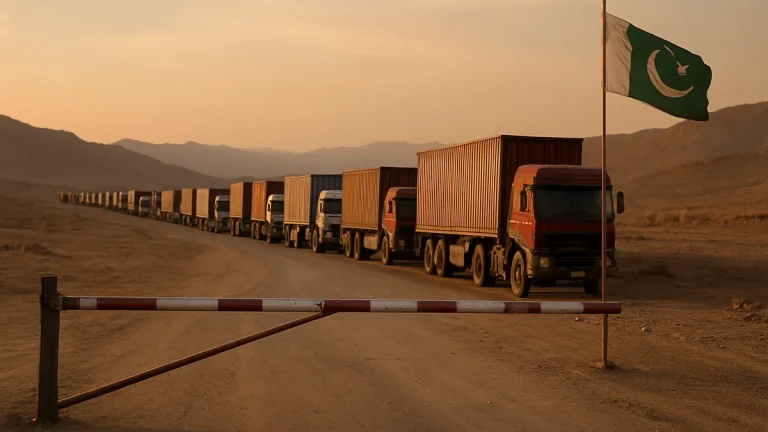
The Kurdistan Regional Government (KRG) has revealed that approximately 70 percent of its trade has been disrupted as a result of the escalating conflict between the United States and Iran. This significant reduction in commerce has severely affected the economic stability of the semi-autonomous Kurdish region in northern Iraq. The KRG relies heavily on cross-border trade routes, many of which have been compromised due to heightened military and political tensions in the area.
In a significant development, the ongoing US-Iran hostilities have not only intensified regional insecurity but also hindered vital economic activities that sustain the Kurdish population. The disruption in trade flows has led to shortages of goods, increased prices, and strained relations with neighboring countries. The Kurdish region’s strategic position as a trade corridor between Iraq, Iran, and Turkey makes it particularly vulnerable to such geopolitical conflicts.
Meanwhile, the economic downturn threatens to exacerbate existing challenges within the Kurdish region, including unemployment and social unrest. The KRG faces mounting pressure to diversify its economy and seek alternative trade partnerships to mitigate the impact of the conflict. The situation underscores the broader consequences of the US-Iran confrontation on regional actors beyond the immediate conflict zones, highlighting the interconnectedness of Middle Eastern economies and politics.