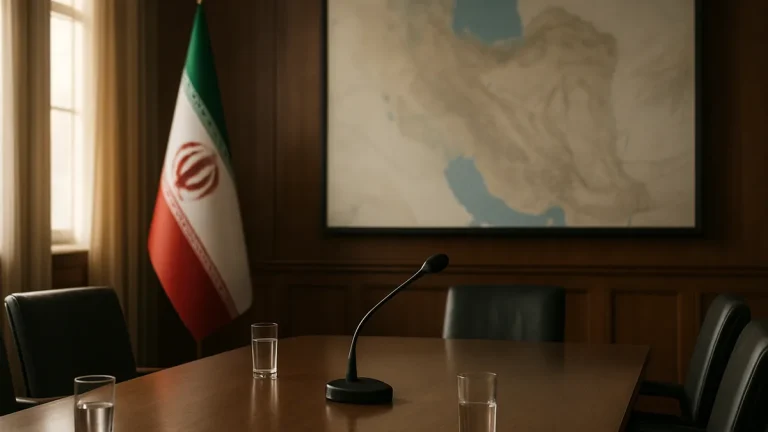
In a significant development, US President Donald Trump publicly urged Iran to surrender, using the phrase ‘wave the white flag of surrender’ in reference to ongoing tensions. This statement reflects the heightened rhetoric between the United States and Iran, which has been marked by a series of confrontations and diplomatic strains over recent years. Trump’s remarks come amid concerns about potential military escalation in the region, underscoring the fragile state of US-Iran relations.
The call for Iran to capitulate is emblematic of the broader geopolitical struggle involving nuclear ambitions, regional influence, and economic sanctions. The US has imposed stringent sanctions on Iran, aiming to curb its nuclear program and limit its support for proxy groups across the Middle East. Meanwhile, Iran has consistently rejected these pressures, asserting its right to defend its sovereignty and regional interests.
This exchange of strong language between the two nations has significant implications for global security and diplomacy. Analysts warn that such rhetoric could further destabilize the already volatile Middle East, potentially impacting international energy markets and prompting responses from allied countries. The international community continues to watch closely, hoping for a diplomatic resolution to prevent further escalation.