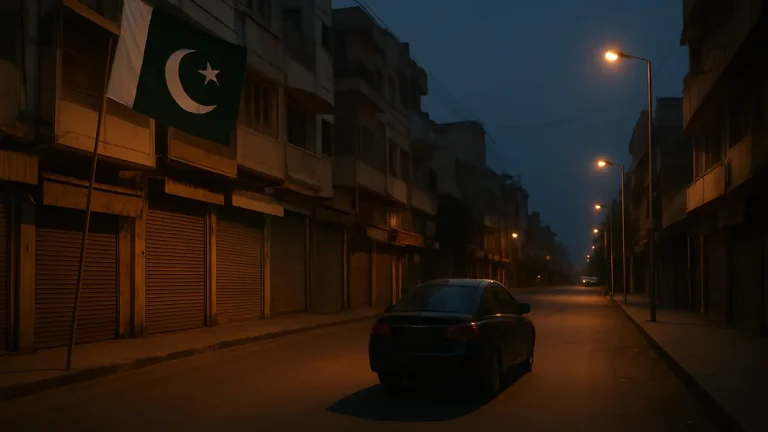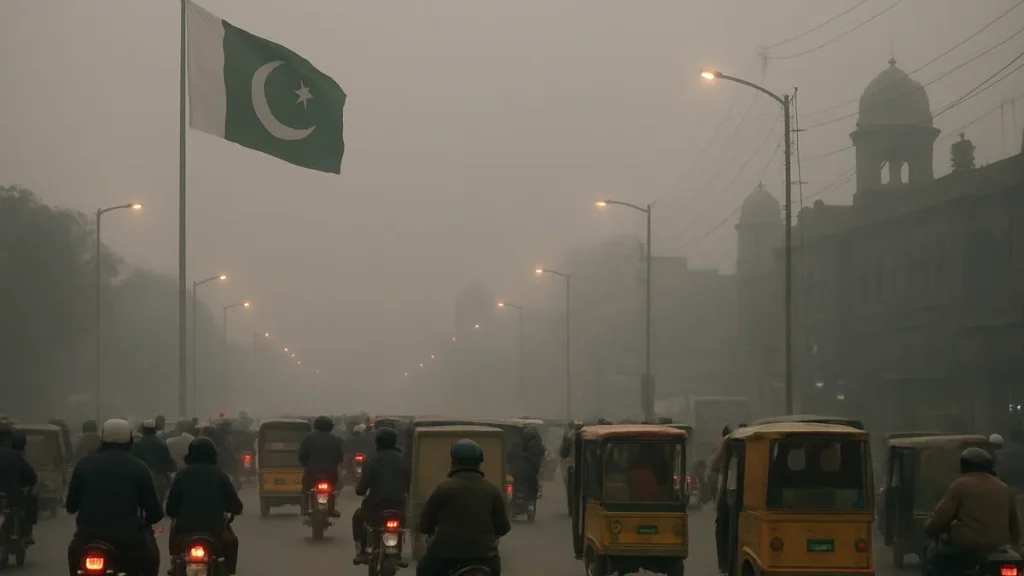
Lahore has been ranked the world’s third most polluted city on Wednesday, with an air quality index (AQI) reading of 231. The ranking came as Punjab authorities stepped up efforts to tackle worsening air pollution across the province.
According to IQAir, a Swiss air quality monitoring company, Cairo and New Delhi topped its real-time global pollution ranking, each recording an AQI of 247. Those figures were captured between 10am and 11am on October 28.
Health risks flagged as Lahore air turns very unhealthy
Lahore’s air was classified as very unhealthy, a level that poses health risks, particularly for children, older adults and people with respiratory or heart conditions. Under the US air quality index, readings between 201 and 300 fall into that category.
- Tashkent, Uzbekistan: fourth, AQI 198
- Bishkek, Kyrgyzstan: fifth, AQI 179
- Karachi: seventh, AQI 160
Punjab deploys anti-smog teams and water sprinklers
Punjab authorities have intensified anti-smog operations ahead of winter, a season when cooler temperatures and weaker wind circulation trap pollutants near the ground. On the directives of Chief Minister Maryam Nawaz, field teams have been mobilised across the province.
Officials said they are using smog guns and sprinkling water on major roads to suppress dust and airborne particles. Senior Provincial Minister Marriyum Aurangzeb has asked residents to cooperate, avoid unnecessary travel and cut back on private vehicle use to limit emissions.
Causes of Lahore smog and its effects on health
Air pollution in Lahore stems from vehicle emissions, industrial activity, construction dust, waste burning and seasonal crop-residue burning in the wider region. Cold months can worsen the problem by stopping pollutants from dispersing.
Exposure to high levels of fine particulate matter, especially PM2.5, can aggravate asthma and other respiratory illnesses and raise the risk of cardiovascular disease. Health authorities generally advise limiting prolonged outdoor activity when pollution is high, particularly for vulnerable groups.
IQAir’s city rankings can shift during the day as pollution and weather conditions change. The ranking reflects conditions during the reported period, not a city’s annual average pollution level.