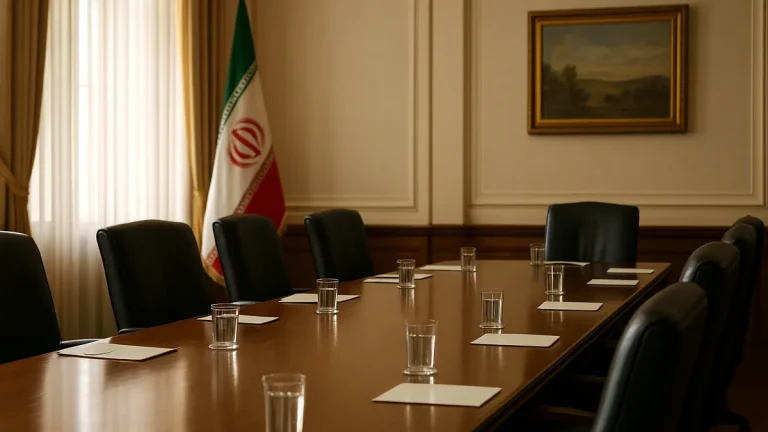
In a notable display of political solidarity, many Republicans in a Texas town have voiced strong support for former President Donald Trump’s recent actions concerning Iran. This backing underscores the enduring influence Trump holds within the party’s grassroots, especially in regions known for their conservative leanings. The community’s enthusiasm reflects a broader trend among GOP supporters who view Trump’s approach to foreign policy as assertive and decisive.
However, despite the general approval, there are subtle indications of unease among some individuals regarding the potential consequences of escalating tensions in the Middle East. A number of local voices have cautiously highlighted the risks of becoming entangled in a prolonged and complex conflict, often referred to as a ‘quagmire.’ These concerns suggest that while Trump’s stance resonates with many, the realities of military engagement and its long-term implications remain a source of apprehension.
It is important to consider the historical context that shapes these opinions. Texas, with its significant military presence and patriotic culture, often rallies behind strong national security measures. Yet, memories of past conflicts and their toll on American lives and resources contribute to a more nuanced perspective among some residents. This duality captures the tension between supporting a tough foreign policy and fearing the unintended consequences of war.
Meanwhile, political analysts note that this mixture of support and skepticism is not unique to this Texas community but reflects a wider debate within the Republican Party nationwide. The party grapples with balancing hawkish policies aimed at countering perceived threats with the pragmatic concerns about overextension and the human cost of conflict. Trump’s approach, characterized by bold rhetoric and decisive actions, continues to polarize opinions even among his own base.
As developments unfold in the Middle East, the sentiments expressed by these Texas Republicans offer a microcosm of the broader national discourse. Their reactions highlight the complexities faced by policymakers and citizens alike when navigating issues of international security and military intervention. The coming weeks will likely reveal how these attitudes evolve as the situation progresses and more information becomes available.