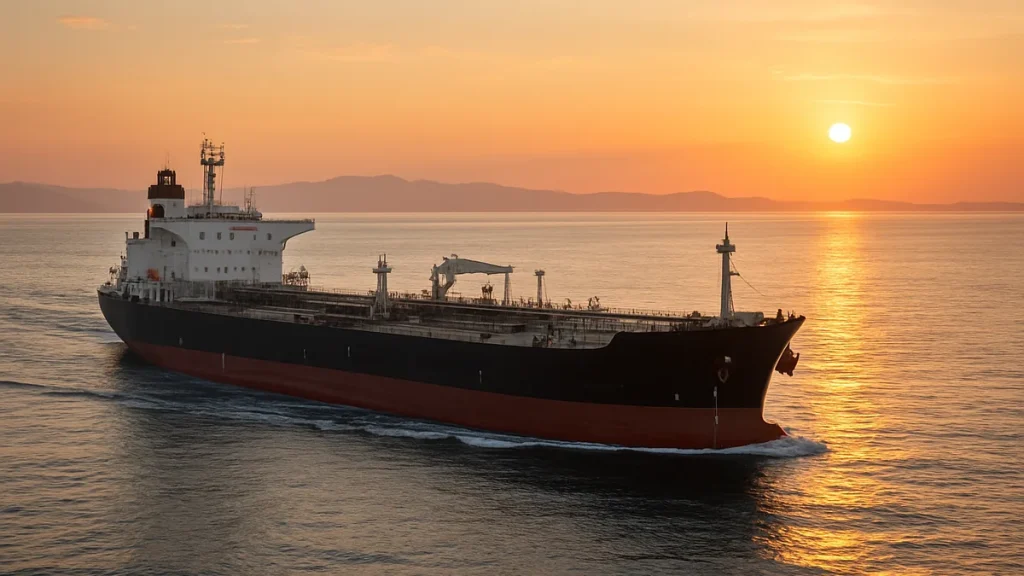
Oil prices turned positive on Tuesday after falling about 1% earlier in the session. Hopes of talks in Tehran eased concerns about a wider supply shock in the Middle East, but renewed Houthi attacks on Saudi Arabia underlined the ongoing dangers.
Brent crude futures rose 40 cents, or 0.4%, to $116.24 a barrel by 0718 GMT. US West Texas Intermediate gained 30 cents, or 0.3%, to $102.07. Both benchmarks had dropped 1% earlier in the day.
Tehran talks ease fears of wider supply disruption
Officials from Saudi Arabia, Turkey and Pakistan met Iranian officials in Tehran on Monday to try to reduce tensions in the region. According to Iranian state media, the four countries agreed to keep talking about deepening cooperation on peace and security.
Also read: Oil prices rise over $3 as Houthi attacks lift Brent · Pakistan's Asim Munir in Tehran as Iran hosts Makkah pact talks
Sugandha Sachdeva, founder of SS WealthStreet, a New Delhi-based research firm, said prices were still high because of lingering geopolitical uncertainty. She added that some early profit-taking was driven by hopes for a breakthrough in US-Iran talks.
Attacks on shipping and Gulf producers keep risk high
Brent had climbed above $117 a barrel last week, its highest level since April, after a series of Iranian attacks on tankers near the Strait of Hormuz. It touched $117 again on Monday. Scope for peace still appeared fragile, however, as Iran-aligned Houthis launched fresh attacks on Saudi Arabia, a major producer.
Data from a Washington-based think tank shows October has been the worst month on record for attacks on commercial shipping in the Strait of Hormuz and nearby waters, among global maritime security incidents it has tracked since 2017. The Strait normally carried about a fifth of global energy supplies before the conflict began in February.
Analysts flag strains across supply and inventories
ANZ Research said in a note that the oil market remains vulnerable, with stress visible in supply, logistics, inventories and refining. Gulf crude exports fell for a fourth straight week. Flows through the Strait of Hormuz were running at roughly 60% of their normal level.
Global distillate inventories were also nearly 5% below their five-year average, ANZ added.