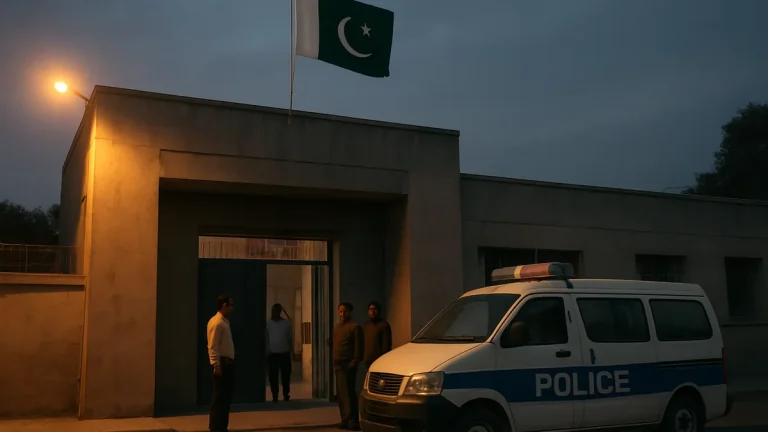
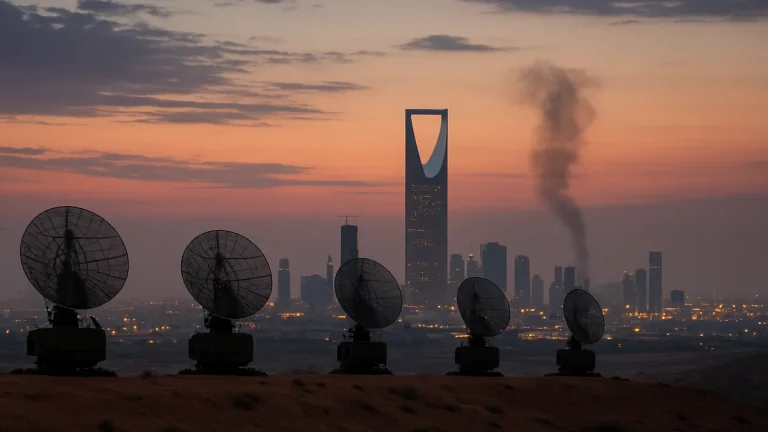
In a significant escalation of tensions in the Middle East, several key countries have suspended critical oil and gas production following a series of coordinated drone attacks attributed to Iran. The most notable impact has been in Qatar, where operations at its massive Liquefied Natural Gas (LNG) facilities have come to a halt. This development is particularly alarming given that Qatar accounts for approximately 20 percent of the global LNG supply, a vital energy source for both Asian and European markets.
The unrest, now stretching into its third consecutive day, has sent shockwaves through the region’s energy sector. Saudi Arabia’s largest domestic oil refinery was temporarily shut down after being targeted by drones, while oil production in Iraqi Kurdistan has been paused as a precautionary measure. Additionally, several Israeli offshore gas fields have ceased operations, causing delays in exports destined for Egypt. These disruptions collectively threaten the stability of energy supplies at a time when global markets are already volatile.
QatarEnergy, the state-owned company responsible for the country’s LNG exports, is expected to declare force majeure on shipments following the drone strikes on its sprawling Ras Laffan industrial complex. This site houses enormous “gas trains” that cool natural gas into liquid form, making it suitable for transportation across the globe. The attacks also extended to the Mesaieed industrial zone in southern Qatar, which hosts vital petrochemical and manufacturing facilities, further compounding the economic impact.
The immediate reaction in energy markets was dramatic. European natural gas prices surged by 46 percent, reflecting fears of supply shortages, while crude oil prices jumped over 13 percent during intraday trading, climbing above $82 per barrel—the highest level seen since January 2025. The situation has also disrupted shipping lanes in the Strait of Hormuz, a strategic chokepoint through which nearly 20 percent of the world’s oil shipments pass, raising concerns about longer-term supply chain interruptions.
In Saudi Arabia, the Ras Tanura refinery, which processes around 550,000 barrels per day and serves as a critical export terminal, was shut down temporarily as a safety precaution after two drones were intercepted near the facility. Although a small fire broke out, no casualties were reported. Some refinery units remain offline, but local fuel supplies have not yet been affected, providing some relief amid the uncertainty.
Several oil companies operating in the region, including DNO, Gulf Keystone Petroleum, Dana Gas, and HKN Energy, have proactively suspended production at their fields to ensure the safety of personnel and infrastructure. While no physical damage has been reported at these sites, the halt in operations has led to a temporary loss of roughly 200,000 barrels per day of exports to Turkey, highlighting the broader regional implications.
Offshore gas operations have also been impacted. Chevron has paused activities at the Leviathan gas field, while Energean has stopped production at smaller fields. Although these facilities remain physically secure, the suspension delays a major $35 billion export agreement with Egypt, underscoring the economic stakes involved.
Further compounding the crisis, explosions were reported on Kharg Island, Iran’s primary oil export terminal that handles about 90 percent of the country’s crude shipments. The full extent of the damage and its effect on Iran’s production capacity remain unclear. Iran, as OPEC’s third-largest oil producer, pumps approximately 3.3 million barrels of crude daily, along with an additional 1.3 million barrels of other liquid hydrocarbons, making any disruption significant on a global scale.
Experts view these attacks as a major escalation in the ongoing regional conflict. Torbjorn Soltvedt, an analyst at risk intelligence firm Verisk Maplecroft, emphasized that the targeting of critical infrastructure like Ras Tanura signals a new phase in Iran’s strategy, potentially provoking Saudi Arabia and its Gulf neighbors to deepen their military cooperation with the United States and Israel against Tehran.
It is important to recall that Saudi Arabia’s energy infrastructure has faced similar assaults in the past. Notably, the Abqaiq and Khurais plants were targeted in 2019, temporarily cutting more than half of the kingdom’s crude output. Ras Tanura itself was attacked by Iran-aligned Houthi militants in 2021, highlighting the persistent vulnerabilities of Gulf energy assets amid regional hostilities.
As the situation continues to unfold, the international community watches closely, aware that any prolonged disruption in Middle Eastern energy supplies could have far-reaching consequences for global markets and geopolitical stability.