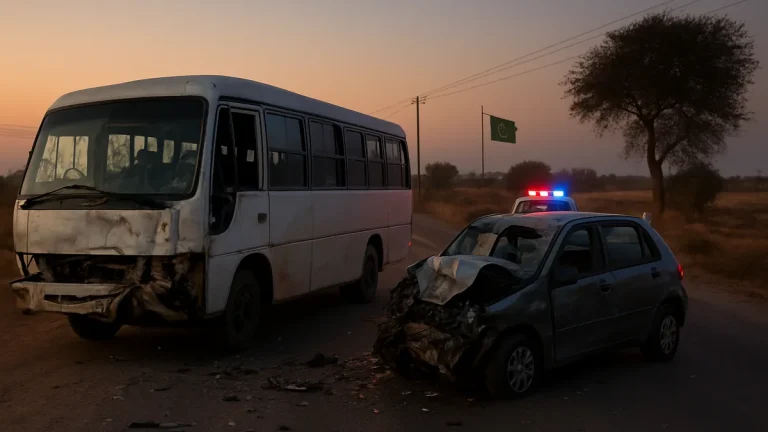
In a significant escalation of regional hostilities, Iran has intensified its military actions targeting Gulf Arab countries, signaling a shift that goes beyond merely confronting US military presence. These attacks have increasingly focused on civilian infrastructure within these allied states, indicating Tehran’s broader strategic objectives in the Gulf region.
The Islamic Republic’s recent operations suggest a deliberate effort to exert pressure not only on American forces stationed in the Gulf but also on the governments and civilian populations of key Arab allies. This development marks a worrying expansion of conflict dynamics, as Iran appears to be leveraging asymmetric tactics to destabilize the region and challenge the influence of Gulf Cooperation Council (GCC) members.
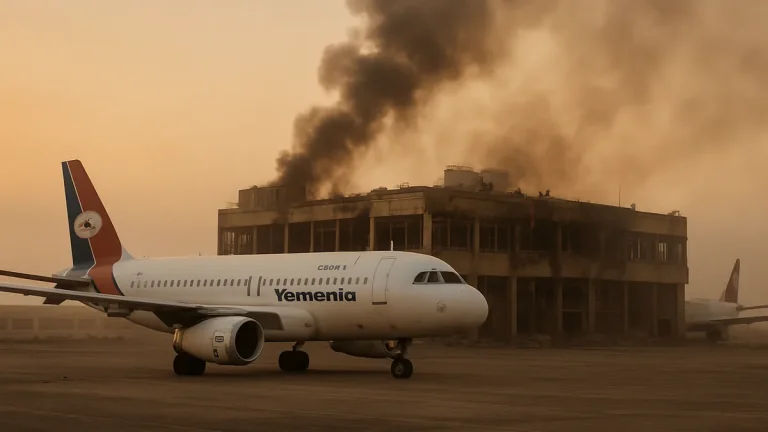
Historically, Iran’s confrontations in the Gulf have primarily targeted US military assets, reflecting the longstanding rivalry between Tehran and Washington. However, the current wave of attacks demonstrates a more complex approach, where civilian infrastructure such as energy facilities, ports, and communication networks have become collateral or even direct targets. This shift raises concerns about the potential humanitarian and economic fallout for Gulf states, many of which play critical roles in global energy markets.
Meanwhile, the Gulf Arab states, which have traditionally relied on US military support for their security, now face the challenge of defending not only their armed forces but also vital civilian sectors. This dual threat complicates their security calculus and may prompt a reevaluation of regional defense strategies and alliances. The attacks underscore the fragile security environment in the Gulf, where geopolitical rivalries continue to threaten stability and economic prosperity.
It is worth noting that these developments come amid broader regional tensions involving Iran’s nuclear ambitions, proxy conflicts, and shifting alliances. The targeting of civilian infrastructure could be interpreted as part of Tehran’s broader strategy to assert its influence and deter external intervention. As the situation evolves, the international community remains watchful of the potential for further escalation and the implications for peace and security in the Gulf and beyond.