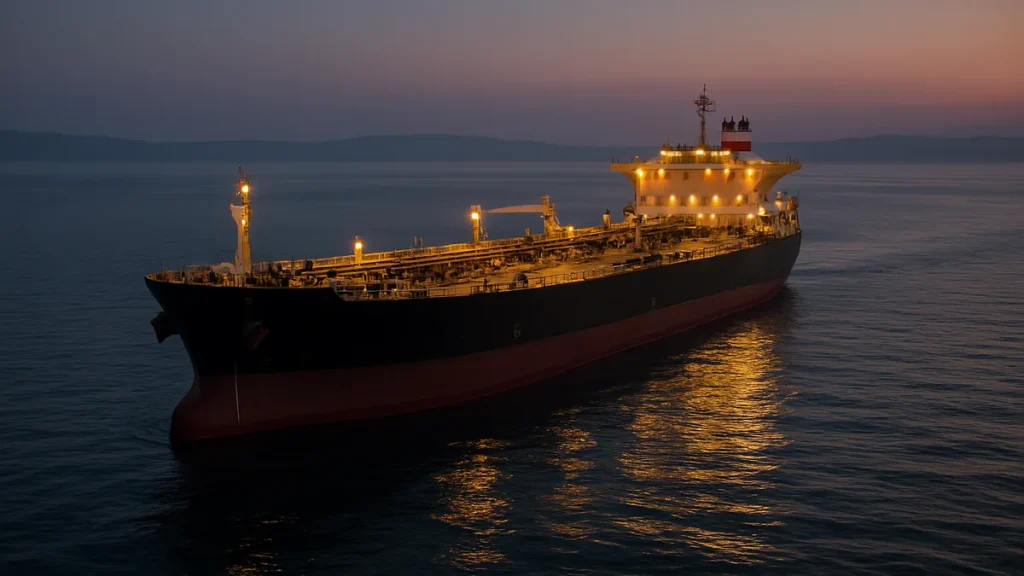
Oil prices rose more than $3 on Friday, settling at their highest level in nearly six months. Attacks by Houthi forces in Saudi Arabia raised concerns about further disruption to energy supplies from the Middle East, a region where UAE authorities also reported an oil spill.
Brent crude futures closed at $116.72 a barrel, up $3.55, or 3.14%, marking their highest settlement since April 29. US West Texas Intermediate crude ended at $103.27 a barrel, gaining $3.80, or 3.8%. Over the full week, Brent climbed 6%, while WTI rose 2.3%.
Houthi attacks and fighting inside Saudi Arabia
Adam Turnquist, chief cross-asset strategist at LPL Financial, said traders were reacting to fears of supply shortages. He pointed to a series of attacks carried out across Saudi Arabia by Iranian-backed Houthi rebels, some of which hit energy infrastructure.
On Thursday, Saudi Aramco ordered staff out of its headquarters in Dhahran, a Gulf city near Bahrain, according to reports. Fighting has also intensified between Saudi Arabia, the world’s largest crude exporter, and the Yemen-based Houthis.
Clashes between the Houthis and a Saudi-led coalition supporting Yemen’s internationally recognised government have continued since the Iran-aligned group advanced toward the Bab el-Mandeb Strait last month. The strait sits at the southern mouth of the Red Sea and is a key shipping chokepoint.
Tanker incidents and shipping risks in the Gulf
The UAE Ministry of Climate Change and Environment said an oil spill from a tanker had been detected off the coast of Umm Al Quwain. The ministry did not say what caused the leak, and authorities have not named the vessel involved.
Shipping sources said on October 9 that the Gem No. 2 supertanker was hit by an unidentified projectile about 13 nautical miles (24 km) west of in the UAE. Andrew Lipow, president of Lipow Oil Associates, said the market was worried by repeated Iranian attacks on tankers over the past week.
Lipow also said oil shipments leaving the Strait of Hormuz had increased, but warned that the situation could change at any time. A Washington-based think tank that has tracked maritime security incidents worldwide since 2017 said October has been the worst month yet for attacks on commercial shipping in the Strait of Hormuz and nearby waters.
Reserve releases, diesel exports and rig activity
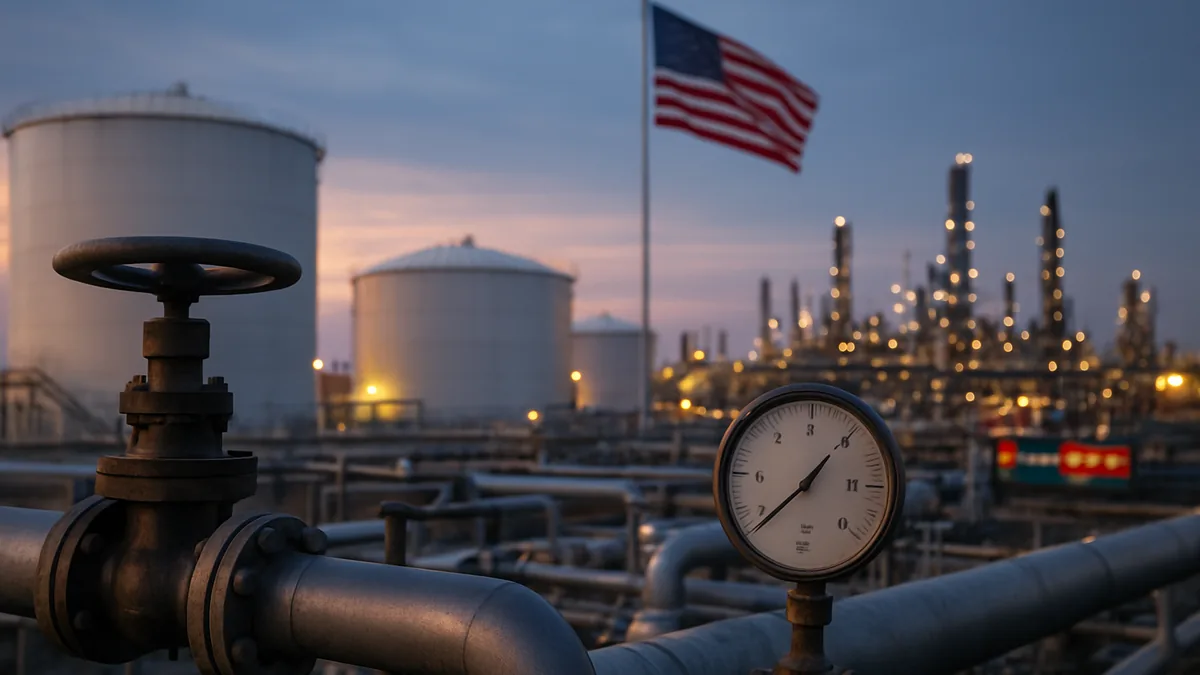
President Donald Trump said on Friday that the United States could end the war with Iran quickly, though he suggested Washington might instead let the conflict wind down gradually. The US Department of Energy said it had approved an emergency exchange of up to 400,000 barrels of crude from the Strategic Petroleum Reserve. The move is meant to address a supply disruption affecting Phillips 66’s Lake Charles refinery in Louisiana.
The reserve is already at its lowest level since 1982, after Trump tapped it as US military action against Iran disrupted supply lines. Former president Joe Biden also drew on the reserve following Russia’s invasion of Ukraine.
In Europe, Germany’s national oil stockpiling agency, EBV, circulated a tender to sell diesel, heating oil and crude from strategic reserves. It is Germany’s first such release since G7 countries agreed at the start of October, under pressure from Trump, to take this step.
Elsewhere, the head of Libya’s National Oil Corp said on Thursday that a valve on a pipeline running from the Hamada and Tahara oilfields to Zawiya port had been shut, cutting output at both fields. Ship tracking data also showed a tanker heading for New York carrying the first Russian diesel bound for the US since Moscow and Washington agreed an export deal. Trump announced that agreement this month to ease soaring diesel prices ahead of the US midterm elections on November 3.
In the US, energy firms kept the total rig count unchanged for a second straight week, according to the energy services firm Baker Hughes. The count, an early indicator of future output, held at 603 in the week ended October 23.