Lorraine Scott has spent at least $300 tailoring her pants and jeans after losing 60 pounds on weight-loss drugs over the past year. The 42-year-old Atlanta resident, known to her YouTube followers as Lorraine Kamesha, said that “most of the things in my closet didn’t fit anymore.”
Americans taking drugs such as Novo Nordisk’s Ozempic and Eli Lilly’s Mounjaro are turning to cobblers and tailors to stretch their budgets while they lose weight. Rising out-of-pocket costs for the drugs, as US employers increasingly stop covering GLP-1 treatments, are adding to a broader cost-of-living squeeze. According to Gallup, about 11% of US adults are on GLP-1 drugs to lose weight.
Cobblers and tailors see rising demand for alterations
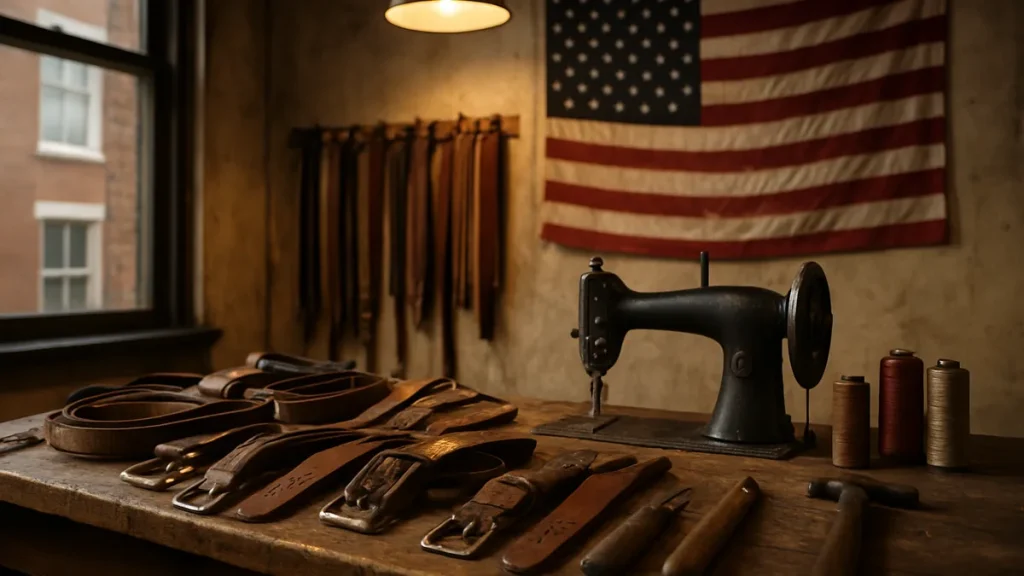
Leather repairers say requests have jumped over the past year because customers are losing weight quickly. The work is not limited to belts. Shops are also adjusting shoe straps and bag straps to fit smaller bodies.
Cobblers Direct, an online shoe and handbag repair business with 25 brick-and-mortar stores in Texas and a nationwide mail-in service, is seeing double-digit year-on-year growth in its belt-shortening work, according to chief executive Stephen Kelly. The company, which employs around 100 artisans, will soon move into a new warehouse of nearly 30,000 square feet in Austin. Kelly said it is now shortening as many as 500 belts each week.
Customers often arrive with five or six belts at once, Kelly said. After a few extra holes are punched, some ask to keep the spare strip of leather as a “badge of honor.”
“They’ll pull their belt out and show how long their belt originally was. And then they tuck it back into their waistline,” Kelly said.
Shoppers hold off on new wardrobes
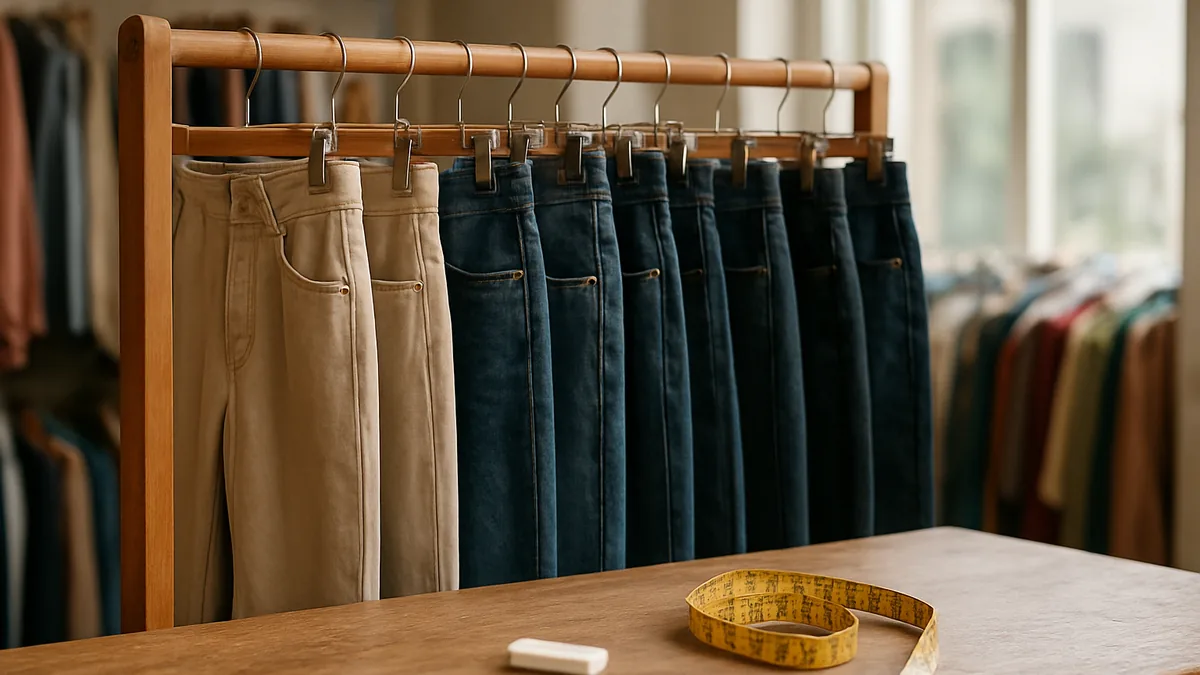
A survey of more than 700 US adults using weight-loss drugs, conducted by telehealth platform Trimi, found that about 80% of users are wearing clothes that no longer fit. On average, they wait six months before buying anything new. Jeans are the most affected item, with 90% of users complaining about poor fit.
Researchers at the University of Cambridge found this year that people who stop taking weight-loss drugs regain, on average, 60% of the weight they lost within a year. Users may therefore be reluctant to commit to an entirely new wardrobe, since their size could change again.
At Jim’s Cobbler Concierge, a family-owned shop in Manhattan, customers began bringing in belts by the dozen last year. Client relations director CJ Burgos said the trend was so widespread that the store has dubbed it “belt-zempic.” Burgos also said GLP-1 users are seeing their feet shrink, which has led to more requests for shoe adjustments.
“It’s helped the business, but we’ve also helped clients save,” Burgos said. Burgos has also brought in belts to be shortened since losing about 60 pounds on Ozempic.
Secondhand and discount retailers gain ground
The trend is also benefiting discount chains, thrift shops and secondhand clothing platforms. Many users are avoiding big purchases of new clothes while their size remains uncertain. Alon Rotem, chief strategy officer at online thrift store ThredUp, said that what sets GLP-1 drugs apart from other business tailwinds is “the scale and speed.”
Rotem said 43% of ThredUp buyers who started out above a waist size 28 are now buying smaller jeans than when they first joined the platform. He added that resale and thrift have long been popular with people going through life changes. “As we see that there are many more people in life transition with the advent of GLP-1s, we’re leaning into that,” he said.
Stitch Fix, an online personal styling service, is also responding. Chief executive Matt Baer said the company now offers more adjustable sizing and stretchy fabrics so that rapidly changing customers have the right clothes to bridge several sizes. He estimated that at least 20% of the company’s new clients are taking a GLP-1 medication and looking for help finding new sizes.