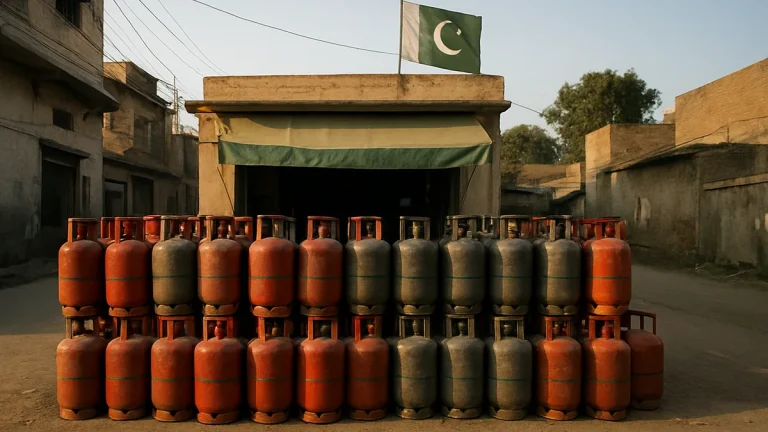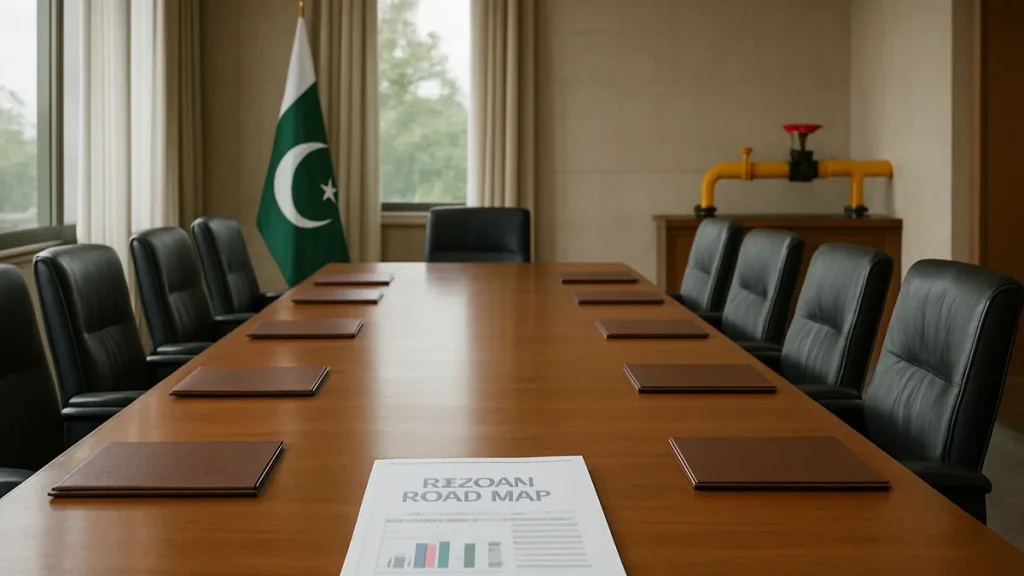

Senator Muhammad Aurangzeb, Pakistan’s federal minister for finance and revenue, chaired a high-level meeting on Monday to examine a proposed plan for restructuring and deregulating the country’s gas sector. The discussions centred on financial sustainability, operational efficiency, consumer welfare and wider participation by private companies.
According to a press release from the Ministry of Finance, the reforms aim to create a financially stable, efficient and competitive gas market. The government says this market should support businesses, attract private money and protect consumers.
Phased move toward competition and tighter regulation
The meeting considered a gradual shift toward greater competition, backed by effective regulation. Participants also looked at improving the operating performance of utilities and adopting a more sustainable approach to gas pricing and supply.
Officials reviewed core sector problems, including circular debt, cross-subsidies, unaccounted-for-gas (UFG) losses and imbalances between supply and demand. Discussion focused on dealing with legacy liabilities and strengthening the financial health of gas utilities. Participants stressed that existing financial pressures should not weaken the proposed market structure or place an unfair burden on consumers.
Expected benefits and safeguards for consumers
Participants said that resolving legacy circular debt and setting a clear approach to cross-subsidies were essential to the viability of restructured entities. The meeting also listed the expected outcomes of the reform framework:
- enhanced energy security
- increased private-sector investment
- reduced fiscal and sovereign risks
- greater business-to-business transactions
- more stable and sustainable gas pricing
- better access to competitively priced gas for exporters
- lower system losses through efficiency benchmarks and performance-based incentives
The finance minister stressed the need to align all stakeholders around a practical and implementable reform architecture. The framework draws on gas-sector reforms in Türkiye and the United Kingdom, while taking account of Pakistan’s institutional structure, market conditions and consumer interests. Participants also called for careful sequencing to protect security of supply and regulated consumers.
Next steps after Prime Minister review
The proposed framework will be presented to the Prime Minister. Further technical work and stakeholder consultations will then help refine the approach and support an orderly transition.
The meeting was attended by the Federal Minister for Petroleum, the Adviser to the Prime Minister on Privatization, the Special Assistant to the Prime Minister on Energy, senior officials from the Petroleum and Finance Divisions, representatives of gas utilities and a World Bank team. The government reaffirmed its commitment to a phased and consultative reform process.