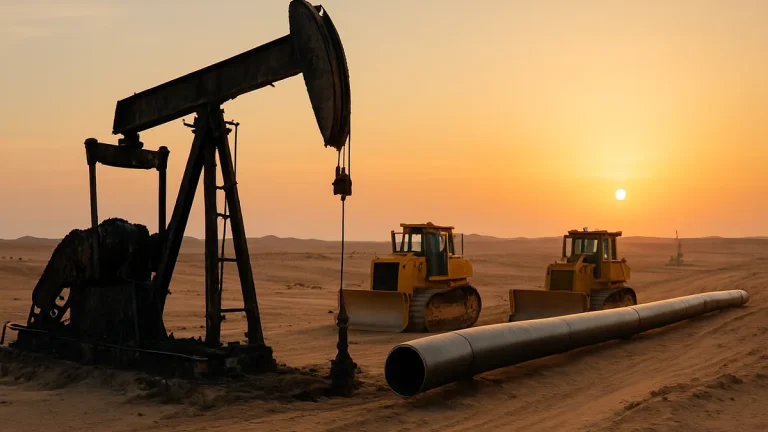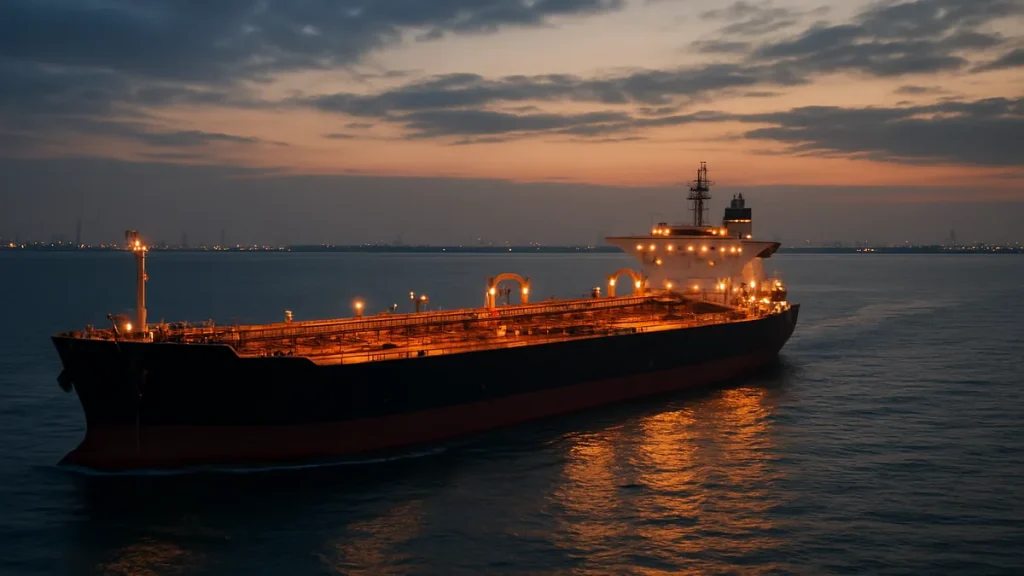

Oil prices slipped on Friday morning as traders assessed Middle East tensions and a possible move by Washington to loosen restrictions on the world’s so-called “shadow fleet” of tankers. Brent crude futures fell 41 cents, or 0.39%, to $105.51 a barrel by 0012 GMT. US West Texas Intermediate futures dropped 54 cents, or 0.55%, to $97.43.
Stock draw and emergency releases shape market moves
WTI had settled more than 3% higher on Thursday, helped by a large drawdown in US crude stocks, while Brent was little changed. The International Energy Agency agreed on Thursday to release more than 20 million barrels of diesel. It also agreed to tap any remaining oil from a record emergency reserve release pledged in March, both aimed at boosting supply and easing prices.
Haitong Futures said in a Friday note that overnight price gains suggested investors were “dissatisfied with these measures.” The firm added: “What would really cool the oil market is an easing of tensions in the Middle East.”
US weighs relief for sanctioned tankers
A US official said on Wednesday that the Trump administration was considering lifting sanctions on some shadow fleet vessels that have carried oil and petroleum products from Russia, Iran and Venezuela. The aim, the official said, is to ease record-high global freight rates. The talks follow President Donald Trump’s temporary lifting of sanctions on Russian diesel fuel, a decision that drew sharp criticism from Ukrainian President Volodymyr Zelenskiy, European countries and some Republican senators.
Attacks in Yemen and shipping lanes support prices
Escalating fighting between Saudi Arabia and Yemen’s Houthis, along with renewed attacks on ships in the region, provided support for prices. Attacks around the waterway have surged over the past 10 days. Iran said it was stepping up strikes in response to the US blockade of its ports and tougher sanctions introduced last month.
The Houthis fired missiles at the presidential palace complex in the southern city of Aden on Thursday, killing two guards. The Saudi-led coalition in Yemen, meanwhile, detailed dozens of attacks on Saudi infrastructure during the escalating conflict.