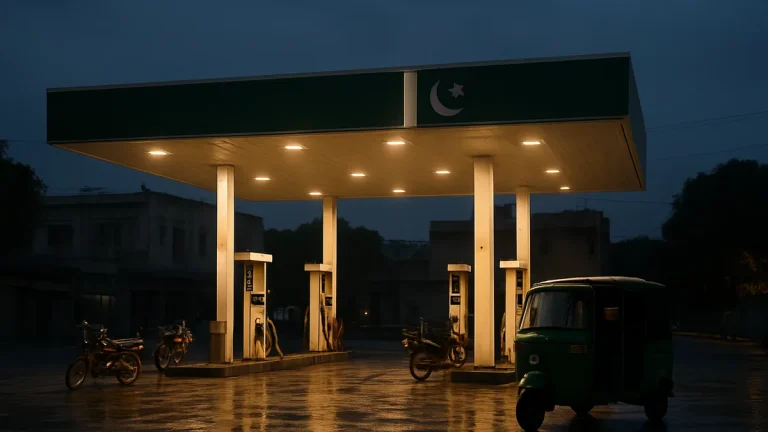
Writers Mehak Amwani and Dr Shelina Bhamani have called for a district-level plan to protect Pakistan’s youngest children from the climate crisis. They propose an Early Years Climate Shield that would cover children from birth to eight years, before, during and after climate disasters.
The writers argue that official counts of climate damage focus on roads and drainage, while the effects on infants, toddlers, pregnant women and caregivers are rarely measured. They say that gap matters because conditions in early childhood shape the next generation.
Why young children in Pakistan face the greatest climate risk
The writers said Pakistan produces less than one percent of global greenhouse gas emissions, yet it is among the countries most vulnerable to climate breakdown. Young children in poor families, they said, have contributed almost nothing to the crisis but are hit hardest by it.
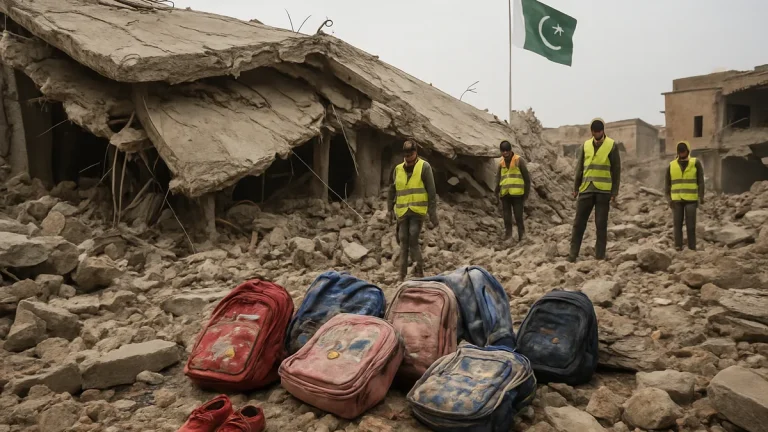
Children face heatwaves, floods, unsafe water and poor sanitation, and they often go hungry. Families are displaced, caregivers are stretched, and classrooms become unusable. Pregnant women exposed to long climate shocks face dehydration, hypertension and premature birth, which puts both mother and newborn at risk.
The article cites an estimate that more than 1.2 million children are reported to be stunted. It adds that food shortages have pushed chronic malnutrition higher, slowing growth and development. The writers pointed to the 2022 floods, which they said affected approximately thirty-three million people and put more than three million children at risk as maternal health services, drainage and family stability broke down together.
The writers also noted a commitment made at COP29 in Baku in November 2024, when Pakistan endorsed the Declaration on Children, Youth and Climate Action. The declaration pledges to include children’s needs and voices in climate planning. The writers said such a promise needs a mechanism to deliver it.
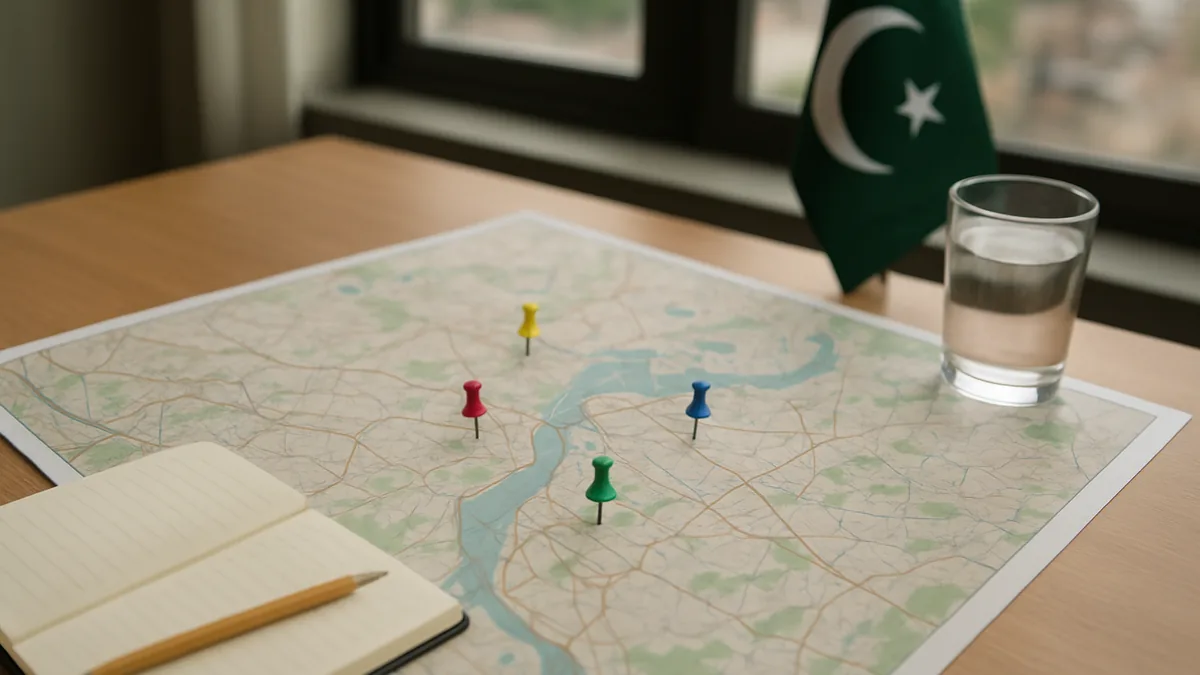
The proposed Early Years Climate Shield plan
The writers propose a plan in every district that brings together the sectors shaping a young child’s life. These include water and sanitation, early childhood development and education, disaster management, local government and families.
According to the writers, services in place before a disaster can reduce children’s exposure to waterborne disease. When these institutions coordinate, a district can prepare in advance, act quickly and limit its losses rather than counting them afterwards.
The writers describe the shield as six layers working at the same time:
- Identifying young children first, including children under eight, pregnant women and children with disabilities, especially in low-lying areas.
- Mapping where the poorest households sit in relation to flood and heat risk, using geographic information systems to show where help must reach first.
- Setting up climate hubs, with communities and district offices working alongside government to build safe shelters where children, pregnant women and caregivers can be evacuated.
- Creating child spaces that are clean, with early childhood centres, play areas, clinics, toilets and ventilation kept running so nutrition and immunisation continue during a crisis.
- Supporting caregivers with guidance on stress, feeding and safety, along with supplies and training to deal with eco anxiety.
- Tracking climate budgets to show whether funds reach young children, pregnant women and caregivers, including through an early years marker that would show the share of climate finance spent on them.
Safe roads and mobile signals in emergencies
The writers said safe roads matter for reaching children in a disaster. They also said mobile signals are needed so that separated families can find each other.
The writers framed the proposal as a response to a question they say is rarely asked: what children actually experience when floods or heatwaves arrive. Their answer is a plan that treats young children as a priority before the next disaster strikes.