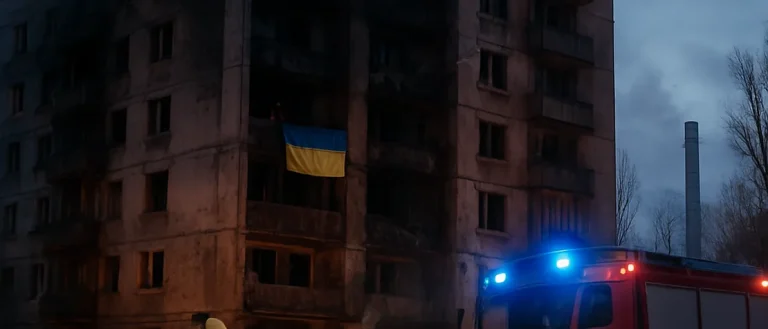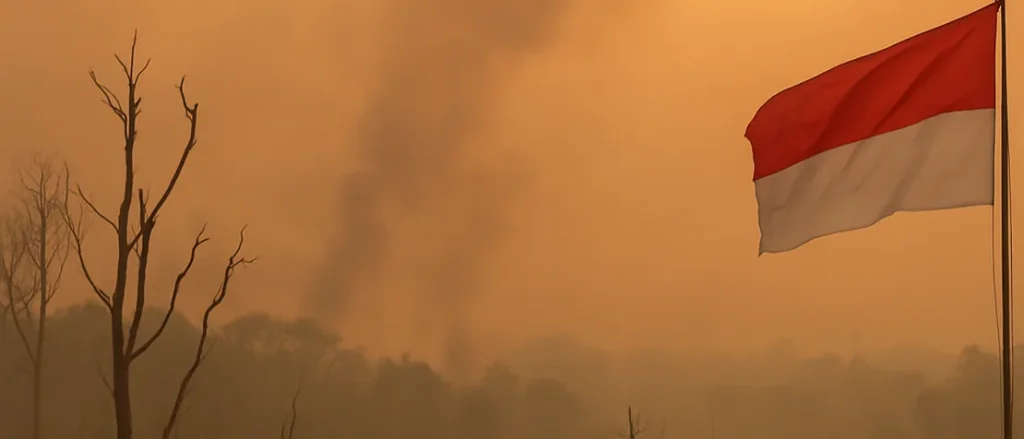

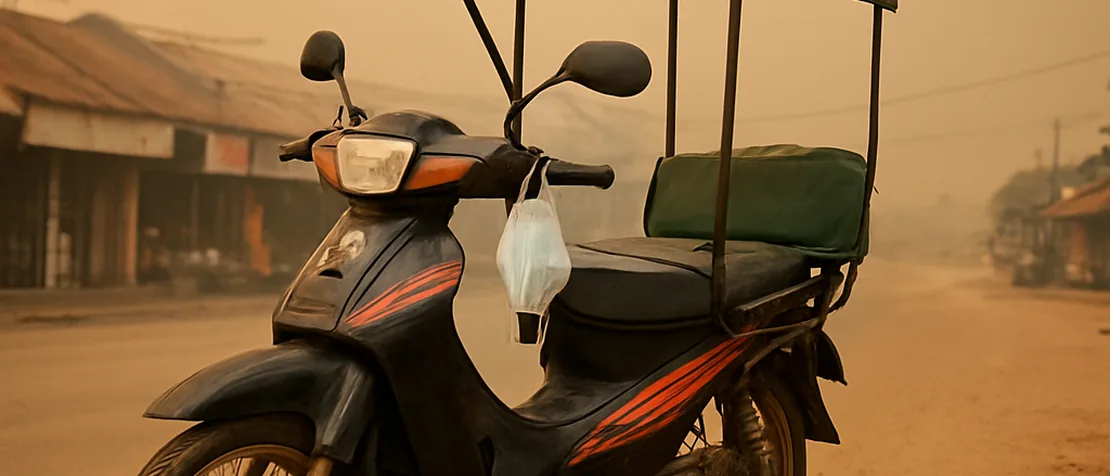
Indonesia is dealing with its most severe wildfire season in ten years, and a thick, toxic smog is affecting millions of people across the region. On the islands of Kalimantan and Sumatra, the sky has taken on a dark amber tint, and air quality readings have reached hazardous levels.
The haze has crossed national borders and is affecting neighbouring countries, prompting public health concerns. It has blotted out the view of Singapore’s skyline and led some schools in Malaysia to close. Public anger is now growing against the companies accused of burning farmland, as well as against the authorities who have been unable to halt the fires.
Companies and officials under pressure over land burning
The annual dry-season fires have been unusually intense this year, which officials and observers have linked to an unusually strong El Niño, a natural climate pattern that alters weather systems around the globe. According to Nusantara Atlas, an independent forest monitoring platform, 1,043,377 wildfire hotspots have been recorded in Indonesia, and about 900,000 hectares of land have burned.
Many of the fires in forests and peatlands result from clearing vegetation by burning, a method known as “slash and burn”. Farmers in Indonesia have long used this technique to enrich the soil for new crops. Today, however, many blazes are tied to commercial farming on a far larger scale, making them harder to contain. Activists and government investigations have repeatedly accused some companies of using fire as a cheap way to clear large areas.
Slash-and-burn farming is already illegal in Indonesia, but enforcing the ban has proven difficult for years. This year’s persistent haze has pushed the authorities to increase efforts to punish offenders. President Prabowo Subianto has called for tougher sanctions against the practice, describing it as “ecological terrorism”.
Last month, Indonesian authorities said they had suspended the operating licences of 26 companies linked to the fires and had opened investigations into others. Officials vowed that cases involving criminal conduct would be taken to court.
Scrutiny has not been limited to Indonesian firms. A Greenpeace report published this month linked businesses based in Singapore and Malaysia to plots of land in Indonesia where fires are burning. Among them is First Resources, a Singapore-based palm oil company. Greenpeace said more than 30 haze source points were recorded between August and September on land managed by its two Indonesian subsidiaries.
First Resources said in a statement that it follows a “strict zero burning policy across all planting activities” and applies strong measures to prevent, monitor and fight fires across its operations. Greenpeace also named the Malaysian plantation group Kuala Lumpur Kepong, whose subsidiary PT Menteng Jaya Sawit Perdana managed land where 19 haze source points were recorded. The group said a majority of the fires started outside its concession area and that all of them had been put out. It added that it does not allow open burning for land preparation or any other purpose.
Long-running disputes between Indonesia and its neighbours
It remains uncertain how effectively governments can penalise companies responsible for the haze. Singapore passed the Transboundary Haze Pollution Act in 2014, which allows its government to act against local and foreign firms found to be contributing to the smog.
During a severe bout of haze the following year, Singapore’s authorities issued summonses to several Indonesian companies suspected of clearing land by burning, aiming to prosecute them under the new law. Jakarta responded sharply, saying the move damaged bilateral relations. With Indonesia declining to cooperate, Singaporean authorities said they could not obtain information about the suspected firms.
In 2015, Indonesia’s then vice-president, Jusuf Kalla, also drew anger in Singapore with remarks suggesting Singaporeans had enjoyed clean air from Indonesia for most of the year without thanking Indonesia, and were now upset after only a month of haze.
Tensions flared again last weekend when Syahganda Nainggolan, who heads Indonesia’s government communications agency, said the wildfires were beyond human control. He added that the oxygen in neighbouring Singapore and Malaysia “also comes from our forests”. In a video widely shared on social media, he also said “When there is no smoke, we send oxygen.” The comments drew criticism and mockery from people in Malaysia and Singapore.
Indonesia has apologised to its neighbours for the haze in the past. This year, Indonesian officials have thanked Singapore and Malaysia for offering assistance, although Indonesia has not formally asked for international help.
Residents in Kalimantan and Sumatra face daily exposure
Civil society groups are also pressing the government to act. In Pontianak, in West Kalimantan province, several groups have filed a class action lawsuit against the Indonesian government and Prabowo. They accuse them of “gross negligence” over the repeated toxic haze. The plaintiffs want the haze declared a national disaster, a designation that would unlock recovery measures such as covering healthcare costs.
A similar case was filed last year in South Sumatra but was dismissed. Meanwhile, air pollution has stayed at dangerous levels in Kalimantan and Sumatra for weeks, and many people have no option but to breathe the smoke each day.
Imrayedi, a 63-year-old motorcycle taxi driver in Pekanbaru city on Sumatra island, described his experience to a news outlet last week. “I’m short of breath and have a headache breathing air now. But I still have to work,” he said. He urged the authorities to think about ordinary people like him and to act quickly to resolve the haze.