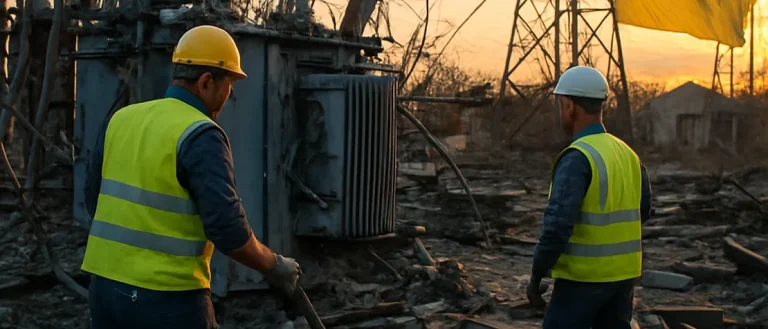

Fighting and dry weather are pushing Sudan’s Darfur and Kordofan regions closer to famine, a global food crisis monitor has warned.
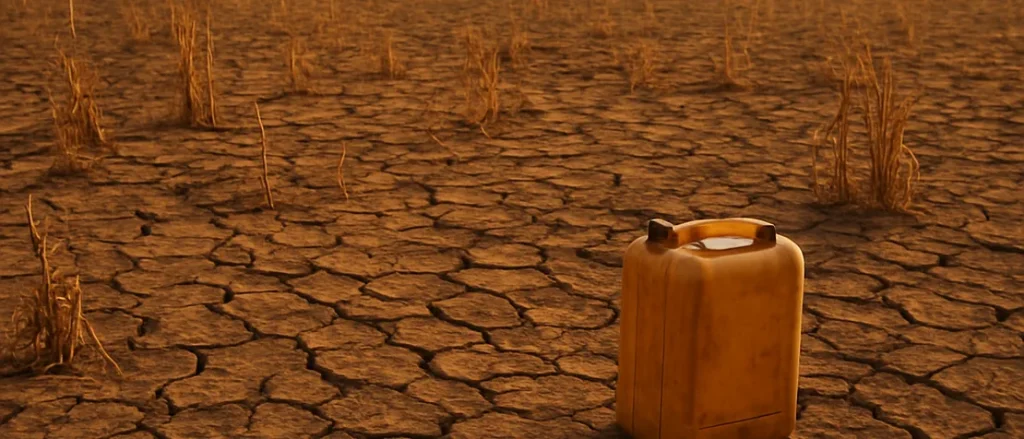
In a statement on Monday, the Integrated Food Security Phase Classification (IPC) said an El Nino-linked drought, hitting about half the country, is intensifying the effects of war and displacement. It said the drought is cutting food supplies, pushing up prices and damaging livelihoods.
Drought and fighting strain food and health services
The IPC said healthcare is badly limited and in many places cannot be reached at all, while clean water is getting harder to find. It warned that a population already poorly fed is highly exposed to disease and death.
The IPC is an initiative aimed at strengthening food security. It brings together 21 organisations and intergovernmental bodies, including UNICEF, the World Bank, the World Food Programme and the World Health Organization.
The body said farmers’ incomes have worsened and more people rely on food aid. It warned that hunger, severe malnutrition and deaths above normal levels are likely to rise.
Crop losses and child malnutrition across key areas
Poor plant growth has affected nearly two-thirds of cropland in North Darfur and roughly half in South Darfur, West Kordofan and South Kordofan. Severe water shortages and little room for farm recovery threaten livelihoods there.
In North Darfur, delayed rains have disrupted planting, and food stocks are “critically low,” the IPC said. Acute malnutrition has also worsened in more places, including Nyala.
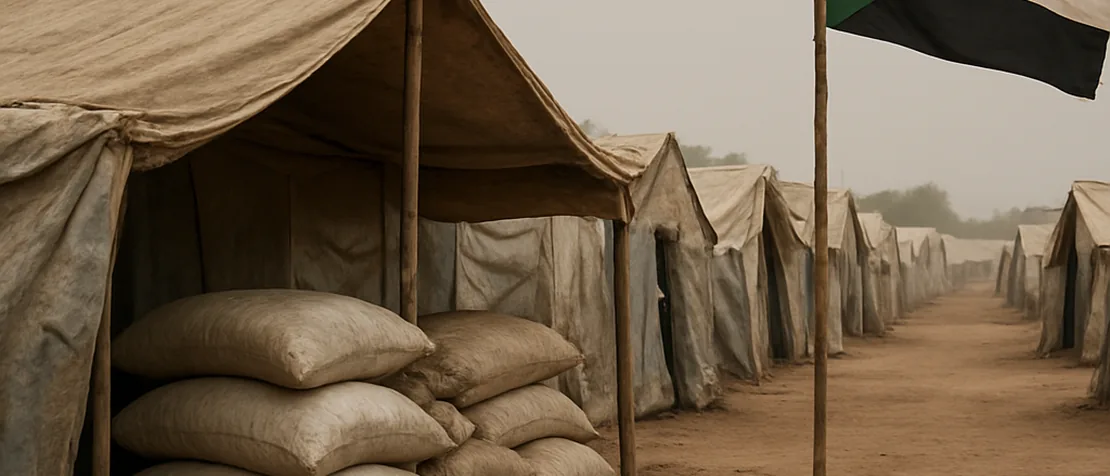
In Nyala, the share of admitted children with severe acute malnutrition among those reaching nutrition services doubled from about 5% to 11% between January and August. Two displacement camps in South Darfur recorded global acute malnutrition above famine thresholds. West Kordofan is suffering one of its worst droughts since 2004, amid poor rainfall.
Millions face acute hunger amid ongoing war
An IPC assessment in May found nearly 19.5 million people, more than 40% of the population, facing high levels of acute food insecurity. Of these, 135,000 were in Phase 5, the most severe category, which involves extreme shortages, starvation and deaths from disease or acute malnutrition.
The conflict began in April 2023, when tensions between the military and the paramilitary Rapid Support Forces (RSF) turned into open fighting in the capital, Khartoum, before spreading nationwide. The conflict monitor ACLED says it has killed at least 150,000 people, though aid groups believe the real toll is higher. About 13 million people have been displaced.
The army holds sway in central and eastern regions, while the RSF controls Darfur and parts of the south. The arid Darfur region, roughly the size of Spain, has seen some of the worst violence, including camp invasions and ethnic cleansing that has killed thousands at once.