

Finance ministers and central bankers are converging on Bangkok this week for the yearly gatherings of the IMF and World Bank. For the first time in three years, the meetings are being hosted away from Washington. They are taking place as a widening conflict in the Middle East, the largest energy supply disruption on record and climbing interest rates combine to threaten a global economy that is already growing slowly.
The war by the United States and Israel against Iran, now in its eighth month, is expected to dominate both the formal agenda and the informal conversations, along with its inflationary effects. IMF Managing Director Kristalina Georgieva said 18,000 people have registered to attend. That is 4,000 more than registered for the last off-site meetings, held in Morocco in October 2023.
Absences and attendance at the Bangkok talks
US Treasury Secretary Scott Bessent will not be in Bangkok. He has sent two senior officials in his place while he deals with what a US official described as “domestic engagements”. Federal Reserve Chairman Kevin Warsh is due to attend and will join Georgieva in a public session on October 16.
Bessent is also skipping a meeting of the Group of 20 major economies, which the United States leads this year. His absence may frustrate counterparts as tensions rise over the Iran war, Ukraine’s fight against Russia’s invasion and Washington’s sanctions on the International Criminal Court. Georgieva added that several other finance ministers are staying home because of budget and election commitments, although most central bankers will attend.
Oil reserve releases, a Russia deal and market strain
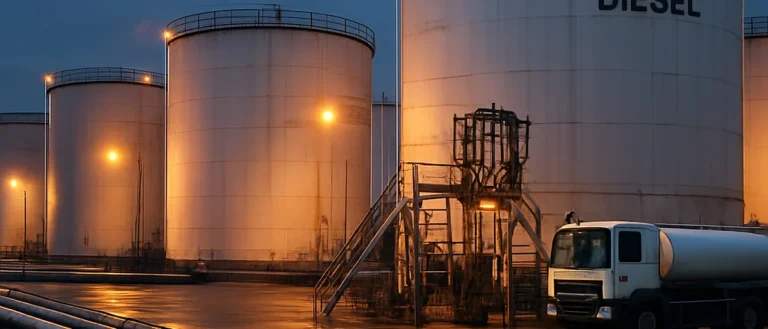
The Group of Seven countries have agreed to release 100 million barrels of diesel and crude oil from emergency stockpiles. The decision was taken under pressure from President Donald Trump, who wants petrol prices lowered before November elections that could cost his Republican Party control of Congress.
On Friday, Trump announced an agreement with Russia that would supply additional diesel to world markets. It also includes a temporary waiver of US sanctions meant to cut Moscow’s revenue from its war in Ukraine. Ukrainian President Volodymyr Zelenskyy quickly condemned the move.
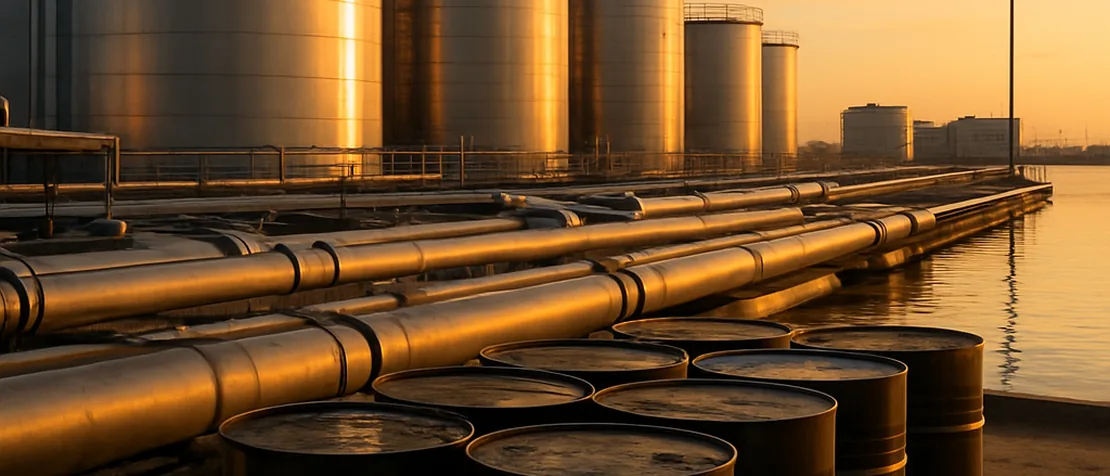
More than one billion barrels have been drawn since the war began on February 28, mostly from commercial stocks onshore. Industry executives warn that the oil in storage that can actually reach global buyers is running thin. They say this leaves the market more fragile and adds to upward pressure on prices.
IMF growth outlook and the spread of public debt
The IMF has signalled that its forecast of 3 percent global growth for 2026 is unlikely to change much, and it may nudge next year’s projection slightly higher. Some countries, however, face downgrades. These include Ukraine, now in its fifth year of fighting Russia’s invasion, and Gulf states that have been hit by Iranian attacks and have seen energy exports fall sharply.
Separate IMF research released on Tuesday found that sudden surges in food and energy prices are a growing cause of crises. Such spikes keep inflation expectations elevated for longer, deepen poverty and endanger economic stability. Public debt is another challenge, with the IMF saying it is at its highest level since World War II and will pass 100 percent of gross domestic product before 2030.
Developing nations face debt payments and loan reform worries
Advanced economies, led by the United States, carry the heaviest debt relative to their output. Emerging and low-income economies, however, are judged especially exposed. They face money flowing out toward higher US interest rates, extreme weather linked to the El Nino climate phenomenon, and too little investment in artificial intelligence, which has softened supply shocks in America and other wealthy nations.
Developing countries must renegotiate large public debts at higher interest rates. Collectively, they face $400bn in debt payments to external creditors in 2026, and interest payments already exceed 10 percent of their revenue on average.
Many lower-income nations are uneasy about new IMF recommendations for loan programmes. These favour fewer but deeper reforms as a condition for approving lending. Many of these countries fear the change will lead to painful austerity measures.