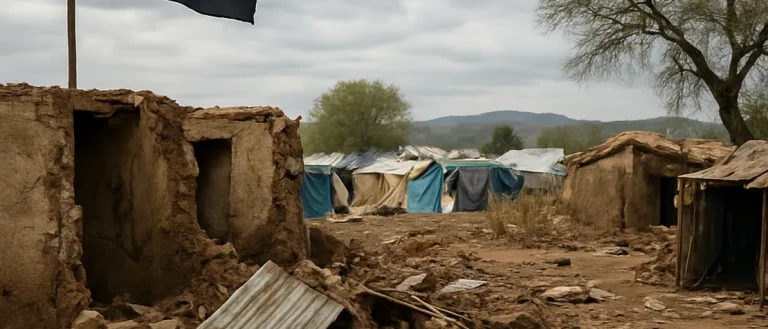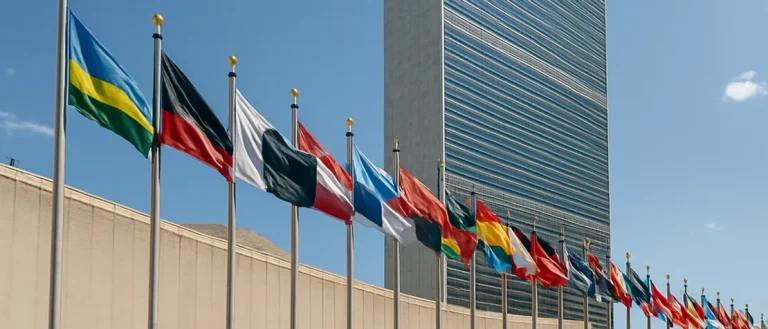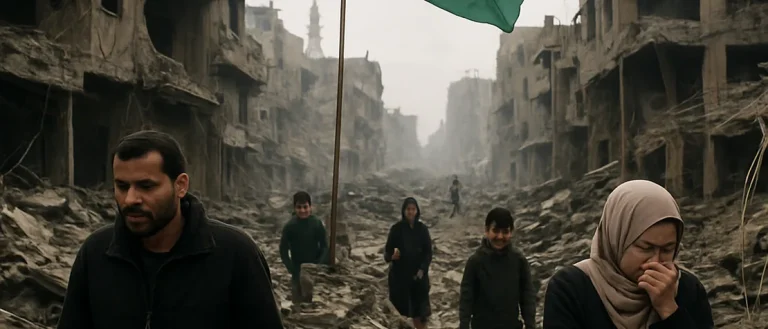
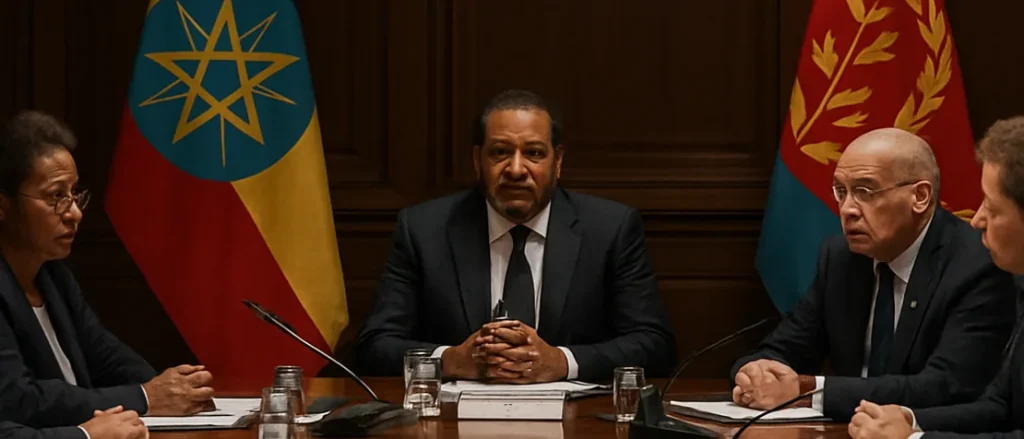

Ethiopia and Eritrea have traded allegations of military aggression at the United Nations, intensifying concerns about a potential escalation into war between the two countries. This diplomatic confrontation coincides with renewed fighting in Ethiopia’s northern Tigray region, where Ethiopian forces and allied militias have advanced amid claims of Eritrean troop involvement.
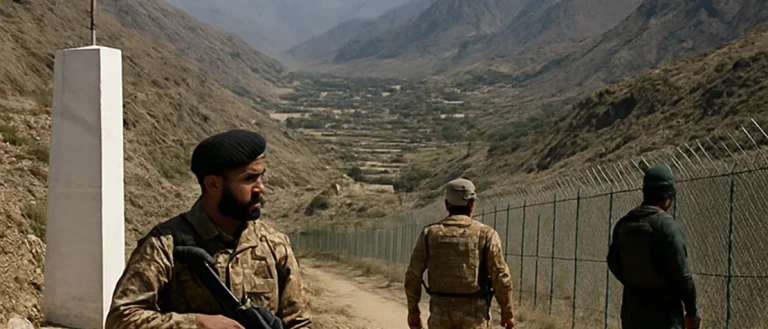
The tensions stem from accusations that Eritrean forces have crossed into Ethiopian territory, an allegation Eritrea denies. Both nations have a complicated history, including a previous border war and a recent alliance during the 2020-2022 Tigray conflict, but relations have deteriorated following the 2022 peace agreement that ended hostilities between Ethiopia’s federal government and Tigray rebels.
Accusations of cross-border incursions and military involvement
Ethiopia informed the UN Security Council that Eritrean troops had penetrated up to 60 kilometers into Tigray, describing the move as a violation of its sovereignty. Ethiopian Foreign Minister Gedion Timothewos characterized the alleged incursion as a clear act of aggression, invoking the right to self-defence under Article 51 of the UN Charter, though he did not specify any defensive actions being taken.
In response, Eritrean Foreign Minister Osman Saleh denied the claims of Eritrean military presence inside Ethiopia, labeling the accusations as a pretext for an Ethiopian offensive. He called on the UN Security Council to condemn what he termed Ethiopia’s declaration of war and urged the adoption of deterrent measures, warning that conflict would cause significant devastation and regional instability.
Dispute over Red Sea access and regional security concerns
The accusations come amid a broader dispute over Ethiopia’s desire for access to the Red Sea. Ethiopia, a landlocked country, has emphasized the importance of securing direct sea access, while Eritrea fears that Ethiopia aims to take control of its port of Assab.
Prime Minister Abiy Ahmed reiterated Ethiopia’s position on the necessity of Red Sea access, heightening tensions between the neighbors. Analysts note that the conflict dynamics extend beyond Tigray, involving Ethiopia’s maritime ambitions, Eritrea’s sovereignty concerns, and regional rivalries, including Egypt’s strategic interests in the Nile.
Recent military developments in Tigray and border areas
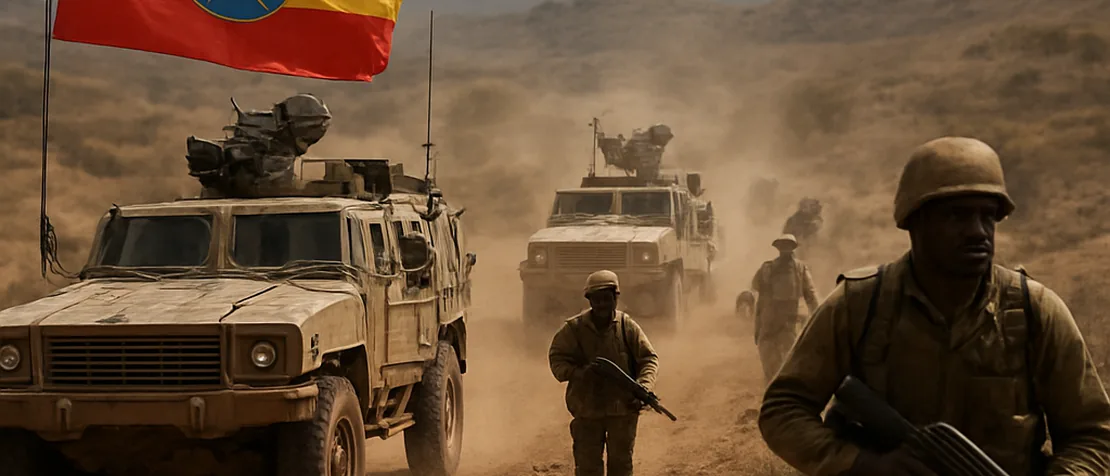
Fighting escalated on September 23 when a rebel alliance, including the Tigray People’s Liberation Front (TPLF), launched attacks across Tigray, Amhara, and Afar regions. The rebels briefly captured Mekelle, Tigray’s capital, before withdrawing in early October, allowing government-allied forces to re-enter the city.
Government and allied forces have since reported capturing towns such as Idaga Hamus and Abiy-Adi in the Tembien area. Residents and independent sources confirmed government-allied militia presence in these locations, though it remains unclear who controlled these areas immediately prior or whether Eritrean troops participated in the fighting.
Claims of Eritrean troops entering towns like Adigrat and Idaga Hamus have been made by Ethiopian allied commanders but have not been independently verified. Conflict monitoring groups reported Eritrean forces crossing near Zalambessa and being targeted by Ethiopian drone strikes, though Eritrea has not commented on these reports.
Implications for peace and regional stability
The renewed hostilities threaten to unravel the 2022 peace agreement that ended the civil war between Ethiopia’s federal government and the TPLF. Eritrea was not a party to this agreement, and relations between Addis Ababa and Asmara have worsened since.
Observers warn that the situation has escalated beyond diplomatic disputes into active military confrontation, increasing the risk of rapid escalation into a full-scale interstate war. The severing of diplomatic ties has removed formal channels for crisis management, while military advances near the Eritrean border raise concerns about miscalculations.
Experts emphasize that while neither government may have formally decided to engage in full-scale war, mutual distrust, domestic pressures, and the potential for military missteps could trigger a wider conflict. The evolving crisis poses significant risks not only to Ethiopia and Eritrea but also to the broader Horn of Africa region, including Sudan, Somalia, and Red Sea security.