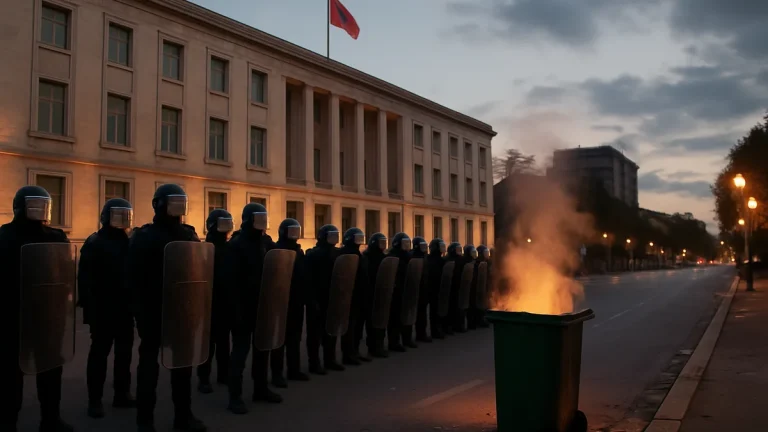
Morocco is witnessing significant pro-Palestine demonstrations that underscore a growing divide between public sentiment and government policy. While many citizens express strong opposition to normalizing relations with Israel, the Moroccan administration continues to deepen its diplomatic and economic engagements. This tension reflects broader regional dynamics where public opinion often contrasts with official foreign policy decisions.
In a significant development, Morocco’s rapprochement with Israel has included enhanced cooperation in trade, tourism, and security since the normalization agreement in late 2020. However, these moves have sparked unrest among various groups who view the partnership as a betrayal of Palestinian rights. The protests highlight the challenges Rabat faces in balancing international alliances with domestic pressures.
Meanwhile, the Moroccan government maintains that strengthening ties with Israel serves national interests and regional stability. Nonetheless, the ongoing demonstrations signal potential political and social ramifications if public grievances remain unaddressed. This situation exemplifies the complexities countries encounter when navigating Middle Eastern geopolitics amid competing internal and external demands.