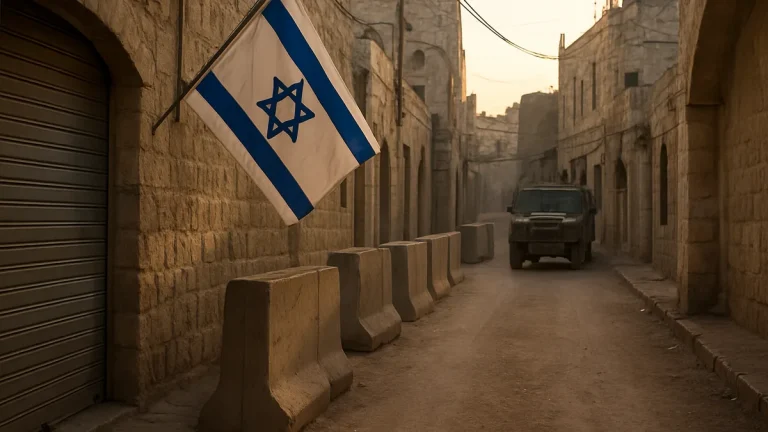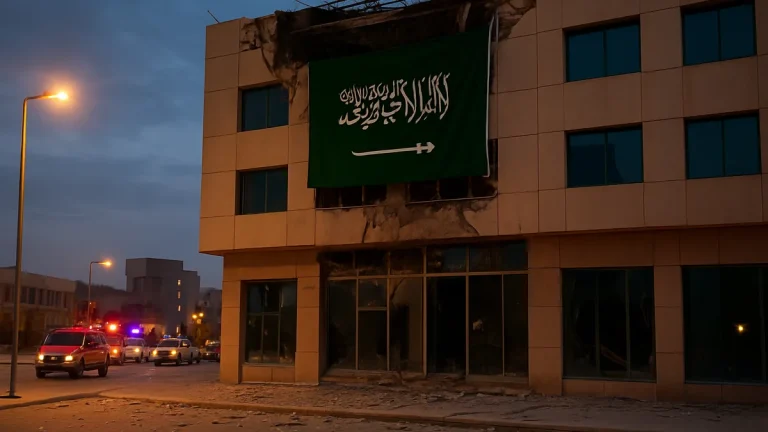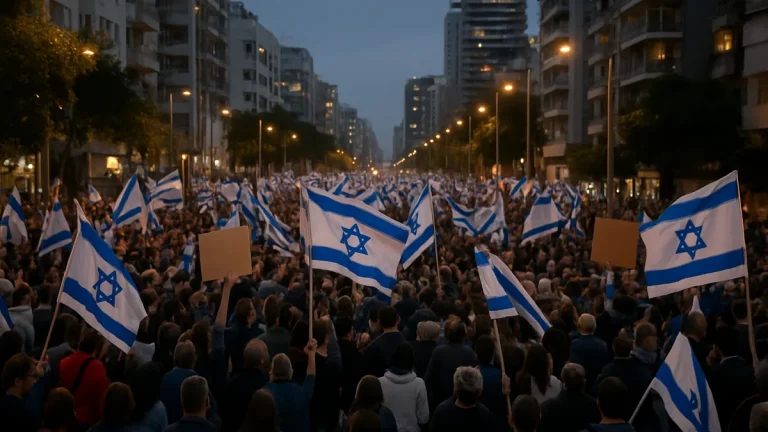
At dawn on Sunday, Israeli forces launched a series of air strikes in southern Lebanon, causing significant casualties. The attacks resulted in the deaths of at least 10 individuals, escalating the already fragile situation in the region. Southern Lebanon has frequently been a flashpoint due to its proximity to Israel and the presence of militant groups. These strikes underscore the persistent volatility and the risk of further escalation between Israel and Lebanese factions.
Historically, southern Lebanon has been a contested area, often witnessing military confrontations linked to the broader Israeli-Lebanese conflict. The region is home to Hezbollah, a powerful militant and political group opposed to Israeli policies, which frequently triggers retaliatory actions. The recent air strikes come amid heightened tensions and ongoing disputes over border security and political influence. Such military actions have broader implications for regional stability and international diplomatic efforts.
In a significant development, the air strikes have drawn international attention, raising concerns about civilian safety and the potential for a wider conflict. The loss of life highlights the human cost of the ongoing hostilities and the urgent need for de-escalation. Meanwhile, global actors continue to monitor the situation closely, emphasizing the importance of dialogue to prevent further violence. The incident serves as a stark reminder of the fragile peace in the Middle East and the challenges in achieving lasting security.