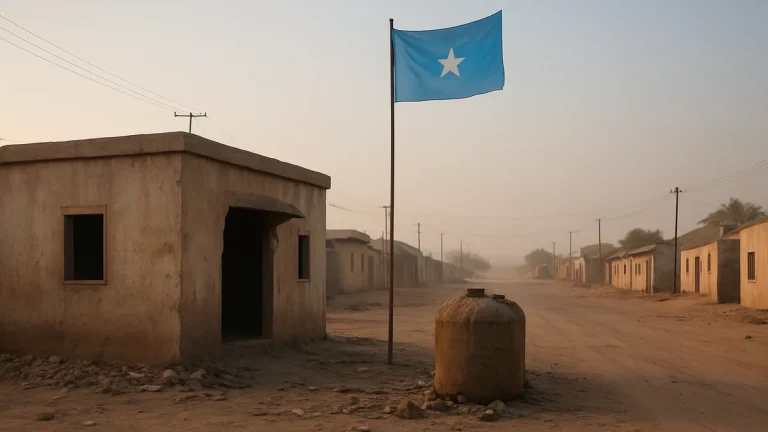
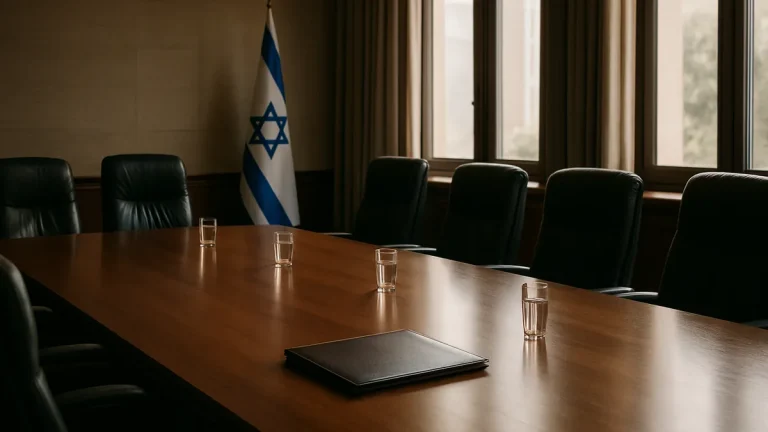
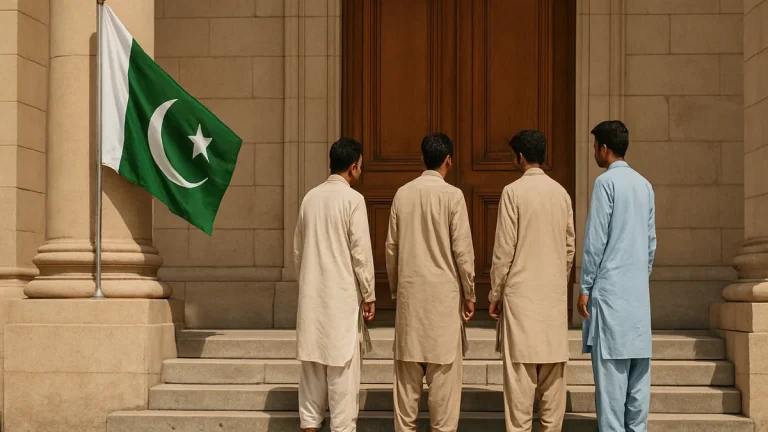
In a notable development, former President Donald Trump has expressed strong support for a newly established security pact among three US allies in the Middle East. This alliance, forged in Mecca, represents a strategic move by regional partners to enhance their collective defense capabilities. Trump’s endorsement comes as he continues to advocate for greater self-reliance among US allies in managing their own security challenges. The pact signals a shift in regional dynamics, potentially reducing dependence on the longstanding US security umbrella.
The formation of this Mecca-based security agreement underscores growing regional efforts to address evolving threats independently. Historically, the United States has played a dominant role in safeguarding the security of its Middle Eastern partners, often deploying military assets and providing defense guarantees. However, rising geopolitical complexities and calls for burden-sharing have prompted these nations to seek more autonomous defense arrangements. This pact could serve as a blueprint for future regional cooperation, fostering stability through shared responsibilities.
Meanwhile, the implications of this alliance extend beyond immediate security concerns. By encouraging allies to bolster their own defense systems, Trump aims to recalibrate US foreign policy priorities and reduce American military commitments abroad. If successful, this approach may lead to a more balanced distribution of defense duties among partners, potentially reshaping the strategic landscape of the Middle East. The Mecca pact thus represents both a practical and symbolic step toward redefining regional security architecture in an era of shifting global power dynamics.