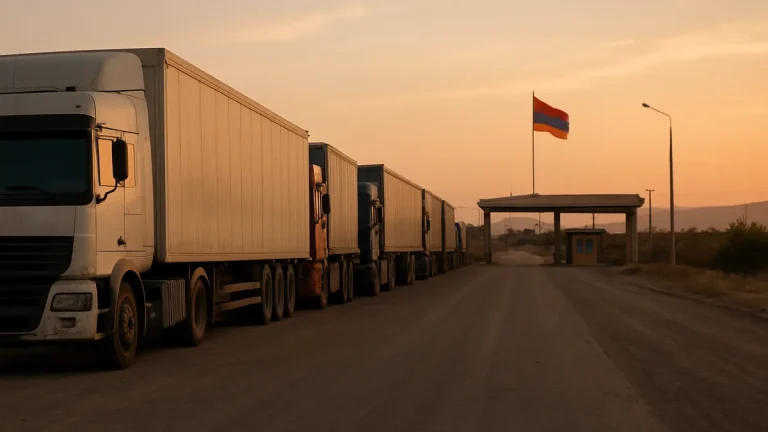
Transporters and government officials are set to engage in talks today to address the ongoing strike by goods transporters. This strike has disrupted the movement of essential commodities, impacting various sectors reliant on timely deliveries. The discussions aim to find a resolution that balances the demands of transporters with the government’s regulatory framework. Both parties are under pressure to reach an agreement to restore normal operations and ease economic strain.
The strike highlights underlying issues within the transport sector, including fare structures, fuel prices, and regulatory policies. Transporters have voiced concerns over rising operational costs and inadequate government support, which have led to the decision to halt goods movement. Meanwhile, the government faces the challenge of maintaining supply chain stability while addressing the grievances of the transport community. The outcome of today’s talks could set a precedent for future negotiations in the logistics industry.
In a significant development, the resolution of this strike could alleviate shortages and price hikes experienced by consumers and businesses alike. Efficient goods transport is vital for economic continuity, especially in sectors such as agriculture, manufacturing, and retail. The government’s willingness to engage in dialogue reflects an understanding of the strike’s broader economic implications. Stakeholders across the country are closely monitoring the talks, hopeful for a swift and mutually beneficial agreement.