



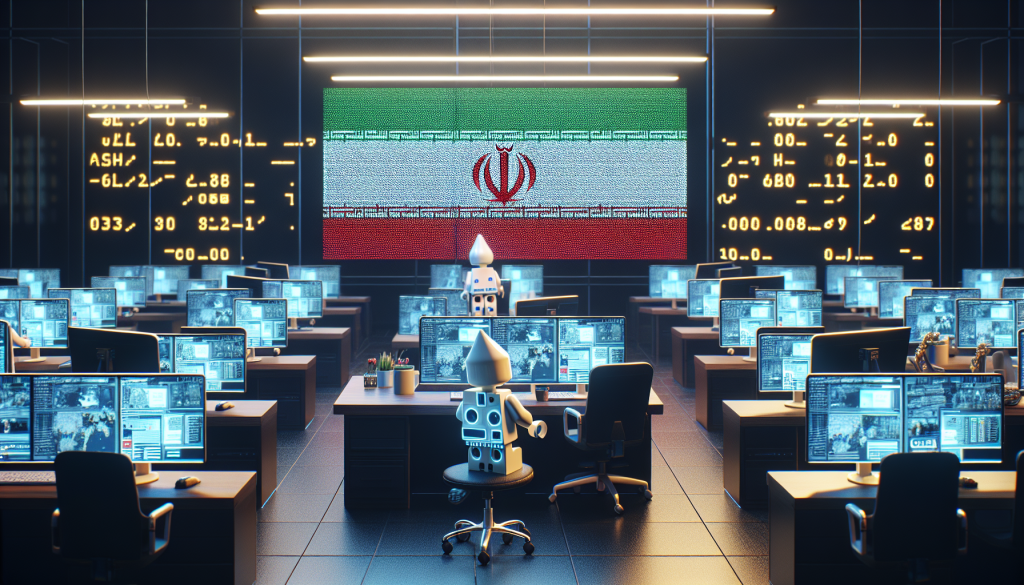
Iran’s Foreign Ministry has strongly denounced YouTube’s decision to block videos created by a pro-Iranian group using Lego-style artificial intelligence animation. The spokesman asserted that this action is intended to silence narratives exposing what Iran describes as an unlawful war against the country. This development highlights the ongoing tensions between Iran and global digital platforms over content regulation and political expression.
Notably, the banned videos utilize innovative AI technology to depict events related to Iran’s geopolitical struggles, blending creative animation with political messaging. The use of such digital tools reflects a growing trend where state-affiliated groups employ advanced media techniques to influence public opinion and counter international narratives. Meanwhile, platforms like YouTube face increasing pressure to balance content moderation with freedom of expression, especially in politically sensitive contexts.
In a significant development, Iran’s response underscores the broader clash between national sovereignty claims and the global reach of social media companies. The incident may further complicate Iran’s digital diplomacy and its efforts to control information flow amid ongoing regional conflicts. This case also raises questions about the role of AI-generated content in modern propaganda and the challenges it poses for content regulation worldwide.

Leave an opinion